






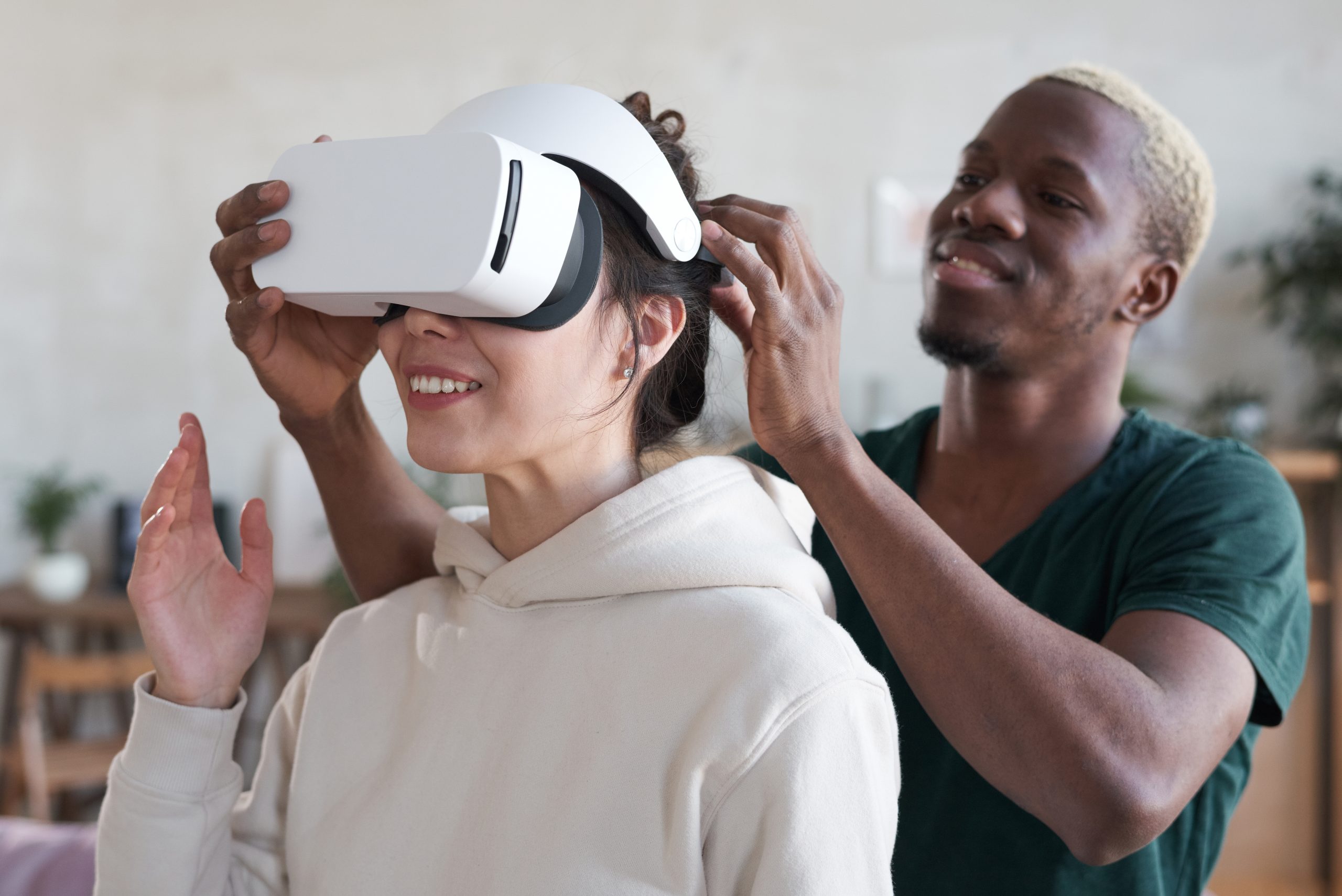
Virtual reality (VR) technology continues to advance rapidly, offering immersive experiences for gaming, education, training, and productivity. With more brands entering the market and existing devices improving performance, choosing the right VR headset can be challenging. A thorough comparison helps consumers understand which headset aligns with their needs, budget, and expectations. Below, we compare several of the top VR headsets based on performance, display quality, comfort, tracking, and ecosystem.
Meta Quest 3:
Meta Quest 3 is one of the most accessible standalone VR headsets, meaning it does not require a PC or console. It offers improved graphics, a higher-resolution LCD display, and better mixed reality capabilities compared to its predecessor. Its lightweight design enhances comfort, and inside-out tracking provides smooth, accurate movement detection. The Quest Store hosts a large library of VR games, fitness apps, and productivity tools. Because it works wirelessly and is beginner-friendly, Quest 3 remains a top choice for casual users and VR newcomers.
PlayStation VR2:
Designed for PS5 players, PlayStation VR2 offers impressive visual fidelity with its OLED HDR display and wide field of view. Eye-tracking technology enhances realism and allows for foveated rendering—improving frame rates by adjusting detail based on where you look. Haptic feedback in the headset and Sense controllers increases immersion. However, PS VR2 is not standalone and requires a PS5, which may limit accessibility. For console gamers seeking premium VR experiences, PS VR2 excels in exclusive titles and performance.
Valve Index:
Valve Index is considered one of the best headset options for PC VR enthusiasts. It offers a high refresh rate, excellent tracking precision through external base stations, and top-tier audio quality. The Index controllers allow individual finger tracking, enhancing interaction realism. While it delivers exceptional VR performance, the setup can be complex, and the cost is significantly higher than standalone headsets. It suits users who prioritize performance and have powerful gaming PCs.
HTC Vive XR Elite:
HTC Vive XR Elite is a premium mixed reality headset with modular design, capable of functioning as both a standalone and PC-VR device. It offers high-resolution displays, strong color accuracy, and customizable comfort features. The Viveport platform provides a large, diverse content library. Vive XR Elite is ideal for professionals and enthusiasts who want flexibility in their VR setup.
Pico 4:
Pico 4 is a strong competitor to Meta Quest devices in international markets. It features a lightweight design, balanced weight distribution, and high-resolution pancake lenses. Pico’s content library is expanding, and the device’s performance is strong for gaming and fitness applications. However, availability in some regions may be limited.
Apple Vision Pro (High-End Mixed Reality Option):
Apple’s Vision Pro blends VR with augmented reality (AR), creating a mixed-reality experience unlike any other. With ultra-high-resolution displays, advanced sensors, spatial computing capabilities, and seamless ecosystem integration, it is ideal for productivity, entertainment, and creative workflows. Its high price places it in a luxury category rather than mainstream VR, but its technological leap is significant.
Conclusion:
Choosing the right VR headset depends on your preferred platform, budget, and use case. Meta Quest 3 is ideal for beginners. PlayStation VR2 suits console gamers. Valve Index and Vive XR Elite serve enthusiasts and professionals, while Apple Vision Pro targets premium productivity users. Each headset offers unique strengths, making VR more immersive and accessible than ever.