






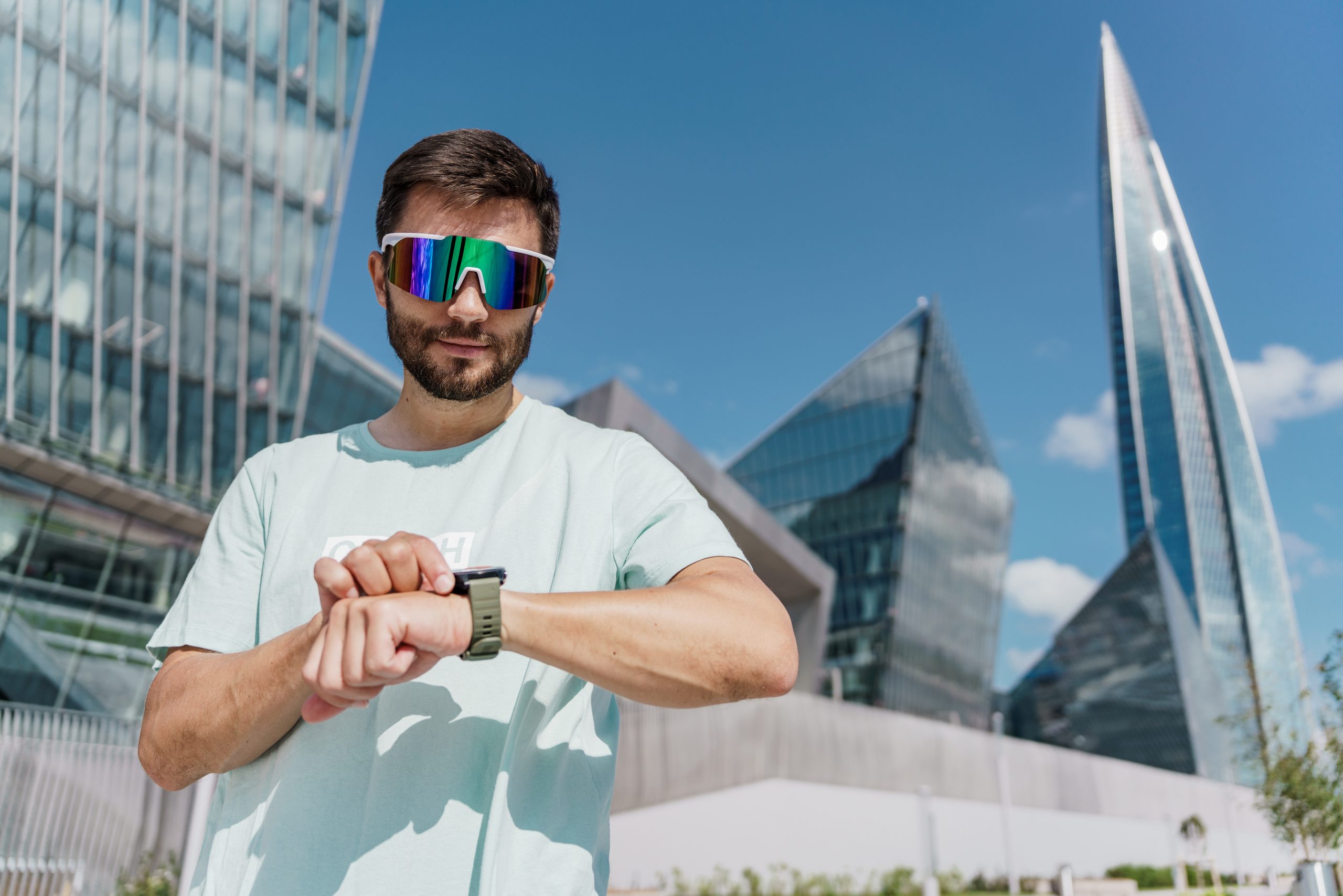
Wearable technology is transforming how people monitor health, stay connected, and interact with the digital world. As sensors, AI, and connectivity grow more advanced, wearable tech in 2025 is far more intelligent, personalized, and integrated with daily life. From smartwatches and fitness bands to smart eyewear and health-monitoring clothing, the latest wearable tech trends showcase remarkable innovation.
AI-Powered Health Monitoring:
Wearables are becoming essential health tools rather than simple fitness accessories. Advanced sensors now track blood pressure, hydration levels, blood oxygen, glucose levels (non-invasively), and even early signs of illness. AI algorithms analyze these metrics to provide personalized health insights, detect anomalies, and recommend lifestyle changes. Many devices alert users about potential health risks before symptoms appear.
Next-Generation Smartwatches:
Smartwatches in 2025 serve as miniature health labs and productivity hubs. They offer ECG monitoring, stress measurement, sleep analysis, and advanced health scoring systems. New chipsets improve battery life, while micro-LED displays offer brighter visuals and lower power usage. Voice assistants, gesture controls, and fast connectivity make smartwatches indispensable daily companions.
Smart Glasses and AR Wearables:
Augmented reality wearables are gaining traction. Smart glasses overlay digital information onto real-world environments, assisting with navigation, remote work, training, and entertainment. Improved designs make them lighter and more stylish, blending technology with everyday fashion. AR wearables are becoming especially popular among professionals in manufacturing, logistics, and healthcare.
Wearable Payments and Digital Identity:
More users are adopting payment-enabled wearables, from watches to rings. These devices support contactless payments, secure authentication, and digital identification. Wearable wallets reduce reliance on phones and physical cards and enhance convenience during travel and shopping.
Fitness Wearables Evolve into Wellness Companions:
Fitness trackers now focus on holistic wellbeing rather than counting steps. Devices incorporate mental health tracking, meditation coaching, and energy level predictions. Personalized recommendations help users improve performance, sleep quality, and stress management.
Smart Clothing and Biometric Apparel:
Smart textiles with embedded sensors are emerging as a trend. Clothing can monitor muscle activity, posture, and body temperature, making them valuable for athletes, physical therapy, and occupational safety. Some garments adjust automatically to climate conditions or provide muscle stimulation during workouts.
Workplace Wearables:
In professional environments, wearables improve safety and productivity. Smart helmets, employee badges, and exoskeletons assist with monitoring worker movements, preventing injuries, and supporting heavy-lifting tasks.
Environmental Sensors:
Wearables increasingly monitor the surrounding environment—air quality, UV exposure, allergens—and offer real-time alerts. These features are especially valuable for individuals with respiratory conditions or frequent travelers.
Battery Innovation:
Flexible batteries, solar charging, and ultra-efficient chips significantly improve wearable battery life. Some devices can operate for weeks without recharging.
The wearable tech landscape in 2025 highlights personalization, preventative health, and seamless integration with daily life. As AI, sensors, and connectivity evolve, wearables will continue shaping the future of health, productivity, and digital living.