

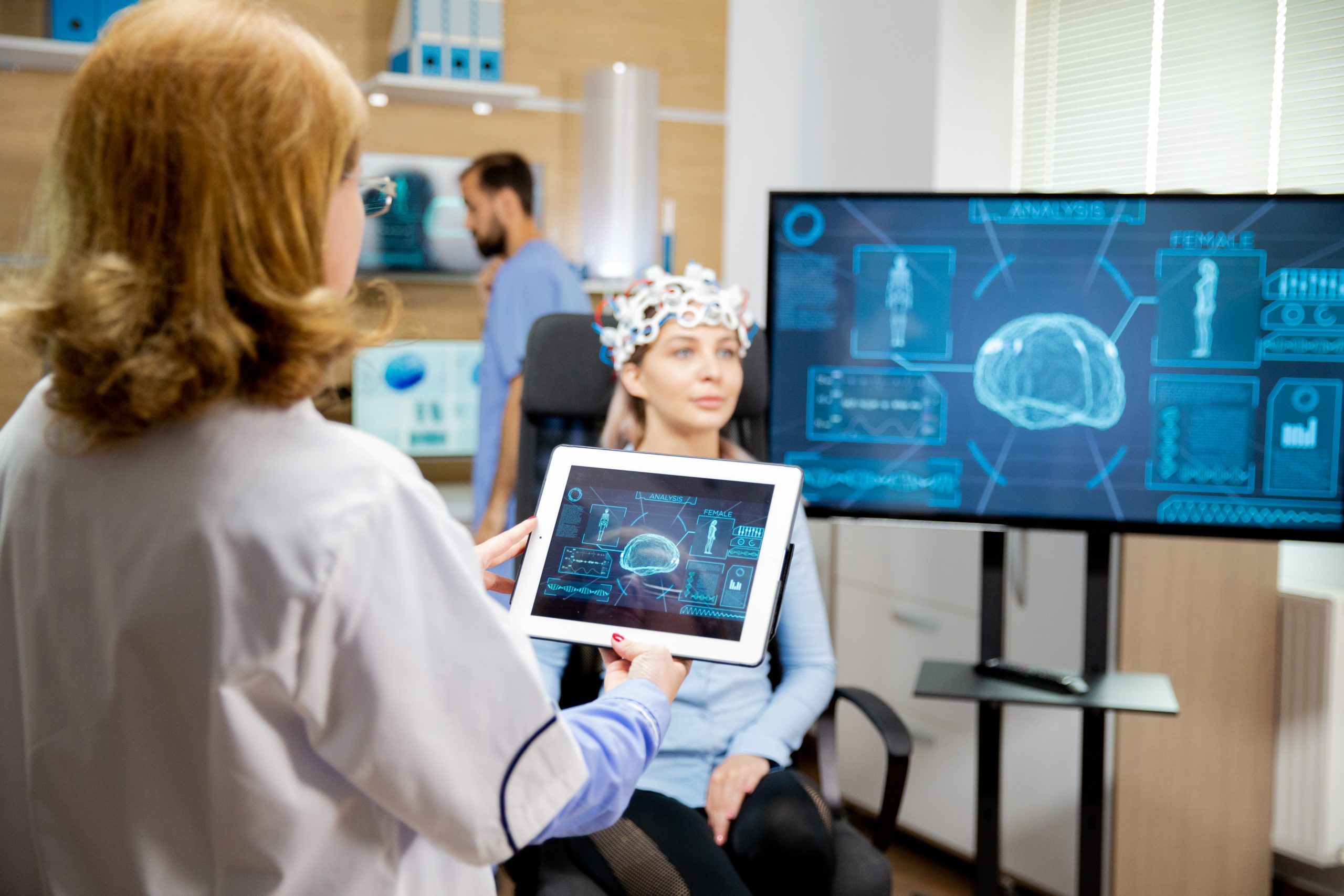





Digital transformation is reshaping the healthcare industry at an unprecedented pace. Hospitals, clinics, medical device companies, and health systems are adopting modern technologies to improve patient outcomes, reduce administrative burdens, and enhance operational efficiency. From telemedicine and AI diagnostics to cloud-based EHR systems and wearable devices, digital transformation is helping healthcare organizations transition to a more connected, patient-centered, and data-driven ecosystem.
One of the most impactful areas of digital transformation in healthcare is the adoption of electronic health records (EHRs). Modern EHR systems allow healthcare providers to store, access, and share patient data securely across departments and networks. This replacement of paper-based systems reduces medical errors, improves care coordination, and increases workflow efficiency. Cloud-based EHRs further enhance accessibility by enabling healthcare professionals to review patient data anytime, even remotely.
Telemedicine has dramatically expanded in recent years, especially following the global shift caused by the COVID-19 pandemic. Virtual consultations allow patients to receive care from home through video calls, reducing travel barriers and expanding access to healthcare. Telehealth platforms also support remote monitoring, chronic disease management, and follow-up care. These systems help healthcare organizations reduce hospital crowding, improve patient satisfaction, and extend care to underserved communities.
Artificial intelligence (AI) and machine learning are transforming diagnostics and treatment planning. AI algorithms analyze medical images, lab results, and patient histories to identify patterns and detect diseases earlier than traditional methods. For example, AI-driven imaging tools can identify abnormalities in X-rays, MRIs, or CT scans with high accuracy. Predictive analytics also help physicians develop personalized treatment plans based on patient-specific data, improving outcomes and reducing complications.
Wearable devices such as smartwatches and health trackers are empowering patients to monitor their own health in real time. These devices collect data on heart rate, sleep patterns, physical activity, blood oxygen levels, and more. Healthcare providers can use this continuous stream of data to detect health issues early, track recovery progress, and optimize treatment plans for chronic conditions.
Digital transformation also impacts administrative workflows. Automation tools streamline appointment scheduling, billing, claims processing, and patient communication. Chatbots can assist with answering common questions, reducing call center workload. RPA tools eliminate repetitive manual tasks, enabling staff to focus on patient care rather than paperwork.
Interoperability remains a major focus of digital transformation. Healthcare organizations are working to integrate various systems such as EHRs, laboratory systems, imaging platforms, and pharmacy management tools. Seamless data exchange improves care coordination, reduces duplicate testing, and enhances overall patient experiences.
Cybersecurity is critical in healthcare because patient data is highly sensitive and heavily targeted by cybercriminals. Digital transformation includes implementing strong security measures such as encryption, zero-trust frameworks, access controls, and continuous monitoring. Protecting medical devices, cloud platforms, and data exchanges ensures compliance with regulations such as HIPAA and GDPR.
The rise of precision medicine is another milestone in healthcare digital transformation. By analyzing genetic data, lifestyle patterns, and environmental factors, providers can develop personalized treatment plans tailored to each patient’s unique profile. This approach improves treatment effectiveness and reduces trial-and-error methodologies.
Despite its benefits, digital transformation in healthcare faces challenges. Legacy systems, high implementation costs, strict regulations, and staff training needs can slow progress. However, organizations that invest in digital infrastructure and workforce readiness gain significant returns in efficiency, patient outcomes, and innovation.
Overall, digital transformation enables healthcare organizations to deliver smarter, faster, and more accessible care. By embracing modern technologies and data-driven decision-making, the healthcare industry is evolving toward a more connected and patient-focused future.