





The rise of robotics and automation has sparked a major debate: Will robots replace manual labor? As factories, warehouses, restaurants, and even farms adopt advanced machines, many workers worry about job security. While robotics is transforming the workplace, the reality is more nuanced. Robots will replace some tasks, but they won’t replace all workers. Instead, they will reshape the nature of manual labor.
Why Robots Are Increasing in the Workforce:
1. Rising Demand for Efficiency:
Robots perform repetitive tasks faster and more consistently than humans. Businesses use them to increase output, reduce errors, and maintain high production levels.
2. Labor Shortages:
Many industries—manufacturing, logistics, agriculture—struggle to find workers. Robots help fill these gaps and keep operations running.
3. Cost Savings Over Time:
Although robots require upfront investment, they reduce long-term labor costs and operational risks.
Tasks Robots Are Most Likely to Replace:
Robots excel at work that is predictable, repetitive, or physically demanding. Examples include:
1. Assembly Line Work:
Automated arms handle welding, painting, and assembly with precision.
2. Warehouse Operations:
Robots transport pallets, pick items, and sort packages faster than manual workers.
3. Food Preparation:
In fast-food chains, robots flip burgers, fry potatoes, and prepare beverages.
4. Cleaning and Sanitation:
Autonomous machines scrub floors and sanitize spaces—particularly useful in hospitals and airports.
5. Dangerous or High-Risk Jobs:
Mining, demolition, and chemical handling benefit greatly from robotic intervention.
These tasks are ideal for automation because they rely less on creativity and human judgment.
Why Robots Won’t Fully Replace Manual Labor:
1. Human Creativity and Problem-Solving:
Robots struggle with improvisation. Humans excel at adapting to unexpected situations, making strategic decisions, and solving complex problems.
2. Emotional Intelligence:
Robots cannot replace roles that require empathy, communication, or care—nurses, teachers, caregivers, and hospitality staff.
3. High Costs for Full Automation:
Small and medium-sized businesses often cannot afford complete automation.
4. Robots Require Human Supervision:
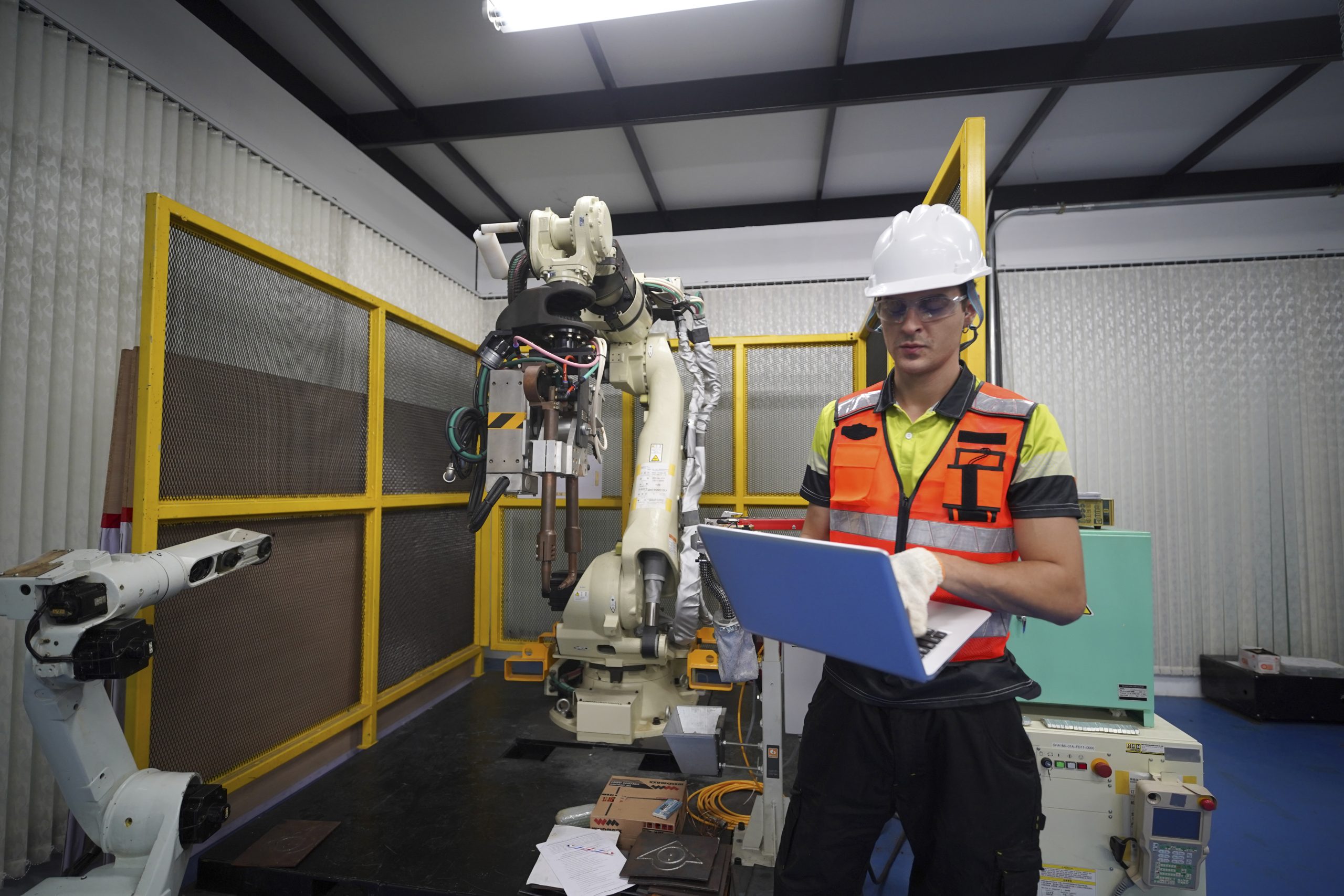
Technicians, engineers, and operators are needed to maintain, program, and troubleshoot robotic systems.
5. Many Tasks Are Too Complex:
Jobs requiring fine motor skills, creativity, or multi-step reasoning still rely heavily on humans.
The Future: Collaboration, Not Replacement:
Instead of replacing workers, robots will increasingly work alongside them. These “cobots” (collaborative robots) help humans become more productive by handling strenuous tasks.
Benefits include:
-
Reduced workplace injuries.
-
Higher output.
-
Better working conditions.
-
More time for workers to focus on skilled activities.
How Workers Can Adapt:
As robotics grows, workers benefit from learning:
-
Technical maintenance.
-
Programming basics.
-
Robotics operation.
-
Data analysis.
Reskilling ensures workers stay relevant in an evolving job market.
Conclusion:
Robots will replace tasks, not people. Industries that adopt robotics will still rely on human creativity, decision-making, and emotional intelligence. The future of work is not robots vs. humans—it’s robots and humans, working together.