






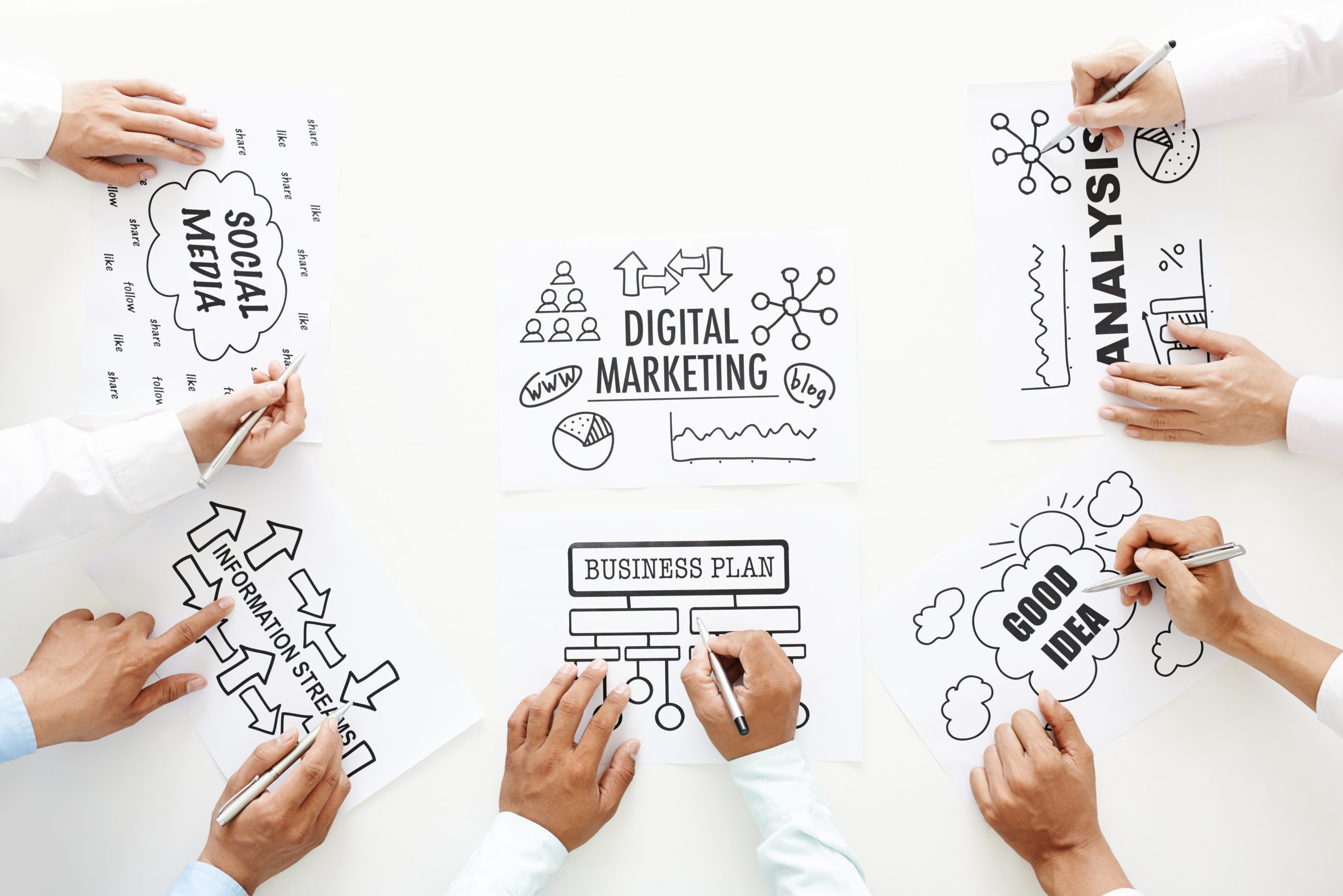
Digital marketing continues to evolve at a rapid pace, driven by advancements in technology, changing consumer behavior, and an increasingly competitive online landscape. By 2025, businesses must adopt smarter, more adaptive marketing strategies to stay ahead. Traditional methods alone are no longer enough; brands must embrace personalization, automation, content intelligence, and data-driven decision-making to thrive. Here are the essential digital marketing strategies that every business needs in 2025.
1. AI-Driven Personalization at Scale:
In 2025, personalization goes far beyond using a customer’s name in an email. AI tools now analyze browsing behavior, purchase history, preferences, and real-time intent to create highly individualized experiences. Businesses use AI for:
• Personalized product recommendations.
• Dynamic website content.
• Tailored email sequences.
• Customized social ads.
AI-powered personalization increases conversions, reduces bounce rates, and strengthens customer loyalty.
2. Short-Form and Interactive Video Content:
Short-form video remains the most engaging content format. Platforms like TikTok, Instagram Reels, and YouTube Shorts dominate user attention. In 2025, interactive video takes center stage, allowing viewers to click, explore, and engage directly within the content. Brands leverage short, authentic videos to:
• Showcase products.
• Demonstrate features.
• Tell customer stories.
• Educate audiences.
Video content must be fast-paced, mobile-friendly, and visually captivating.
3. Voice Search and Conversational SEO:
As smart speakers and voice assistants continue to grow, voice search optimization is a must. Businesses target conversational keywords, natural language queries, and question-based content. Structured data markup also becomes essential to help search engines understand and deliver precise answers. SEO in 2025 is about optimizing for how people speak, not just what they type.
4. Privacy-First Marketing and Cookieless Targeting:
With stricter privacy regulations and the decline of third-party cookies, brands turn to first-party data and consent-based marketing. Zero-party data, such as information voluntarily shared by customers, becomes invaluable. Brands use surveys, quizzes, loyalty programs, and gated resources to collect high-quality customer insights.
5. Marketing Automation and Intelligent Workflows:
Automation tools now integrate AI to streamline marketing operations. Businesses use automation to deliver:
• Real-time lead scoring.
• Automated nurture sequences.
• Predictive customer journeys.
• Chatbot-driven support.
Automation increases efficiency, reduces manual work, and ensures consistent engagement.
6. Social Commerce Dominance:
Social media platforms continue evolving into full shopping ecosystems. Instagram, TikTok, and Facebook allow users to browse, purchase, and track orders without ever leaving the app. Brands that link their product catalogs, run influencer partnerships, and optimize their social storefronts see massive sales growth.
7. Community-Led Marketing:
By 2025, building a community is more valuable than building an audience. Customers want a sense of belonging. Brands focus on:
• Private groups.
• Membership clubs.
• Exclusive content hubs.
• User-generated content (UGC) programs.
Community-led brands foster loyalty and organic advocacy.
8. Omnichannel Customer Experience:
Customers expect seamless experiences across websites, apps, stores, email, chat, and social media. Businesses unify messaging and data across all touchpoints to create consistent journeys. Omnichannel strategies improve customer satisfaction and boost lifetime value.
9. Data-Driven Decision-Making:
Advanced analytics tools help marketers measure ROI, track behaviors, and optimize campaigns. Predictive analytics forecasts trends and identifies high-value audiences. Businesses that rely on accurate, real-time data outperform those that rely on intuition.
10. Ethical and Sustainable Branding:
Consumers increasingly support brands with ethical practices, transparency, and sustainability. Purpose-driven marketing improves reputation and attracts value-aligned customers.
The Road Ahead:
Digital marketing in 2025 is smarter, faster, and more connected than ever. Businesses that embrace AI, personalization, automation, and ethical practices will outperform competitors and build long-lasting customer relationships.