

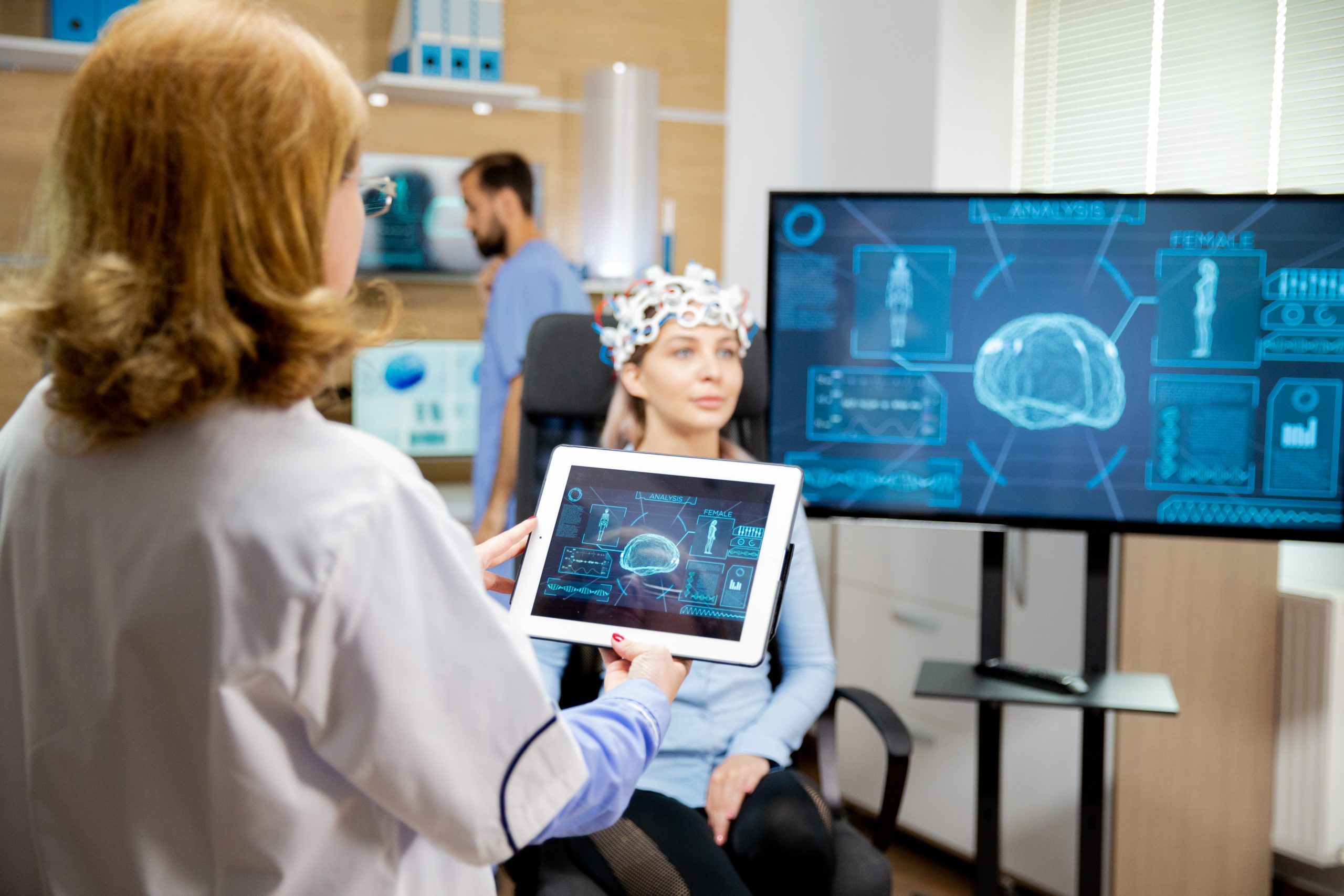




Digital health is transforming the way healthcare is delivered, accessed, and experienced. As technology evolves, providers and patients alike benefit from faster diagnoses, personalized treatments, and more efficient systems. In 2025 and beyond, digital health innovations are reshaping the global healthcare landscape. From AI-powered tools to data-driven decision-making, these trends are creating a future that is more connected, predictive, and patient-centered.
1. Artificial Intelligence as a Core Healthcare Partner:
AI is no longer an add-on in clinical settings—it has become a critical partner in diagnosis, treatment planning, and administrative efficiency. AI tools analyze large datasets to:
• Detect diseases earlier than traditional methods.
• Predict patient risks.
• Recommend personalized treatment options.
• Enhance radiology and pathology accuracy.
AI reduces human error and increases diagnostic precision, leading to better outcomes and faster interventions.
2. Growth of Personalized and Precision Medicine:
Healthcare is shifting from one-size-fits-all treatments to precision medicine tailored to genetic profiles, lifestyle factors, and individual risk levels. Precision medicine uses genomic testing and data analytics to:
• Identify optimal therapies.
• Predict treatment responses.
• Reduce adverse effects.
By aligning treatment to the unique characteristics of each patient, outcomes significantly improve.
3. Expansion of Telemedicine and Virtual Care:
Telemedicine has become a cornerstone of modern healthcare. Patients now expect seamless access to providers through video visits, remote monitoring, and digital messaging. Virtual care improves accessibility, especially for:
• Rural populations.
• Busy professionals.
• Patients with chronic conditions.
This shift reduces barriers and increases convenience without compromising quality.
4. Remote Patient Monitoring (RPM) as Standard Practice:
Devices that track heart rate, blood pressure, glucose, and sleep patterns allow clinicians to monitor patients from afar. RPM provides early alerts, enabling preventive interventions. Chronic disease management greatly benefits from real-time tracking, reducing emergency visits and improving long-term health outcomes.
5. Integration of Wearable Health Technologies:
Wearables are now clinical tools, not just fitness accessories. Modern devices monitor:
• Cardiac activity and arrhythmias.
• Blood oxygen levels.
• Stress metrics.
• Sleep quality.
These insights allow patients to participate actively in their care and help providers make data-backed decisions.
6. Digital Therapeutics (DTx) Gaining Ground:
Digital therapeutics deliver evidence-based treatments through apps and software. They help patients manage conditions like diabetes, depression, anxiety, and chronic pain. DTx offers:
• Personalized therapy programs.
• Behavioral support.
• Continuous monitoring.
These tools complement traditional care and expand access to treatment.
7. Blockchain for Secure Health Data Management:
With cybersecurity threats increasing, blockchain provides a secure, decentralized way to store and share patient data. Benefits include:
• Improved data accuracy.
• Enhanced privacy.
• Faster provider-to-provider information sharing.
Blockchain helps build trust in digital systems and safeguards sensitive health records.
8. Virtual and Augmented Reality in Care Delivery:
VR and AR technologies enhance:
• Surgical training.
• Pain management.
• Mental health therapy.
• Rehabilitation programs.
Immersive environments improve patient engagement and therapeutic outcomes.
9. Automation to Reduce Administrative Burden:
Healthcare professionals spend a significant portion of their time on administrative tasks. Automation tools streamline:
• Billing.
• Scheduling.
• Documentation.
Reducing paperwork frees providers to focus more on patient care.
Final Thoughts:
The future of digital health is defined by connectivity, personalization, and proactive care. As technology continues to evolve, healthcare systems will become more efficient, equitable, and patient-centered. Digital health is no longer an emerging trend—it is the foundation of modern healthcare innovation.