
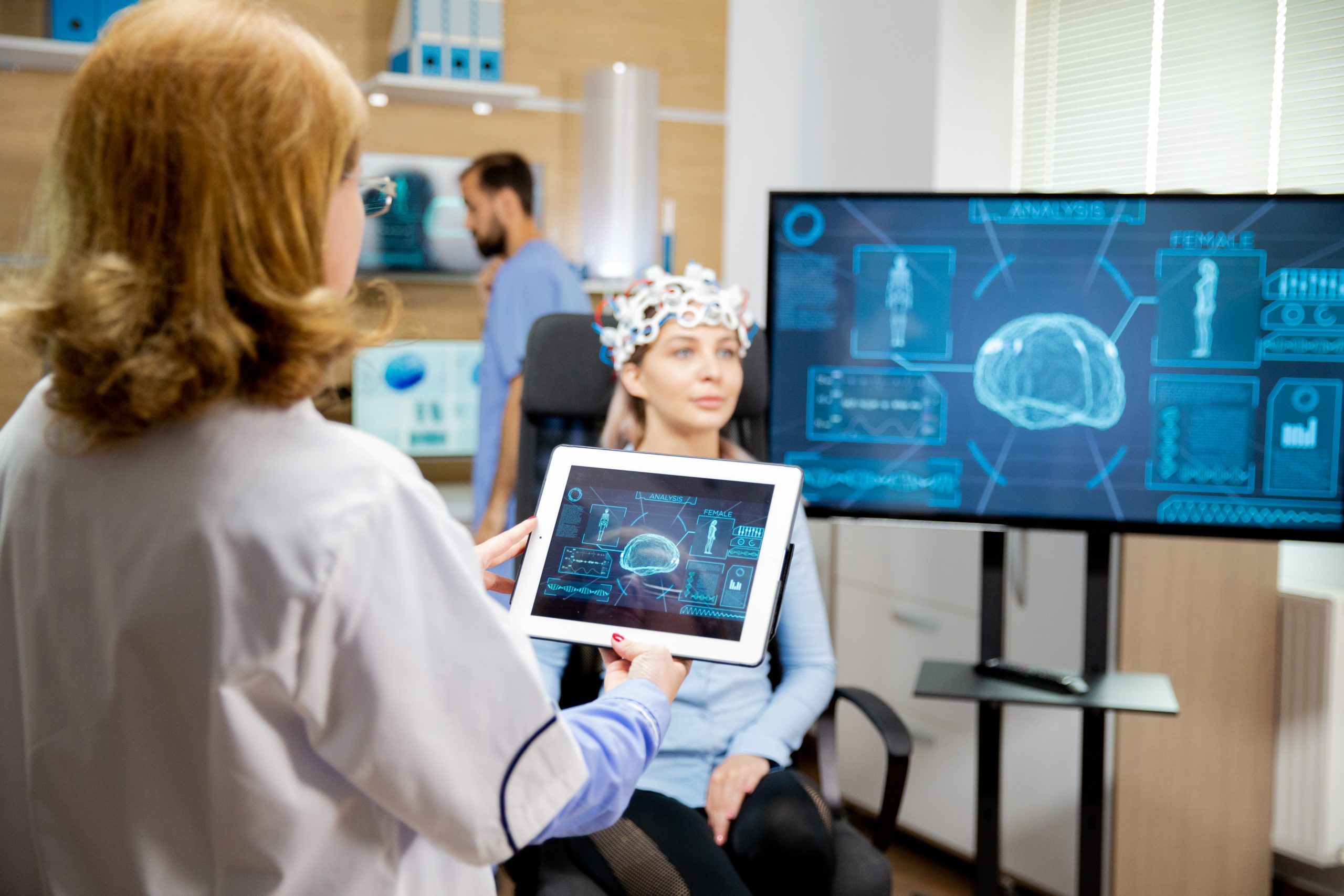




Modern medical devices play an essential role in improving patient outcomes, enhancing diagnostic accuracy, and streamlining healthcare workflows. For beginners entering the world of healthcare technology, understanding how these devices work—and why they matter—provides valuable insight into the future of medicine. Today’s medical devices blend engineering, data, and clinical expertise to create safer, more effective care experiences for patients.
1. Faster and More Accurate Diagnoses:
Medical devices significantly speed up and improve diagnostic processes. Traditional methods often rely on manual interpretation, which can lead to delays or errors. Modern tools such as:
• Digital imaging systems.
• AI-powered diagnostic devices.
• Portable ultrasound machines.
• Smart ECG monitors.
provide instant, highly accurate results. Faster diagnoses enable earlier treatment, improving patient recovery and survival rates.
2. Continuous Health Monitoring:
One of the biggest breakthroughs in healthcare is continuous monitoring. Wearables and remote devices track vital signs in real time. Patients with chronic conditions benefit greatly from continuous data on:
• Heart rhythms.
• Blood pressure.
• Blood sugar.
• Oxygen saturation.
This helps catch abnormalities early and reduces emergencies.
3. Enhanced Treatment Precision:
Modern devices deliver targeted treatments that minimize side effects. Examples include:
• Insulin pumps calibrated for individual glucose needs.
• Neurostimulators that precisely target brain regions.
• Smart inhalers that measure dosage accuracy.
Precision medicine improves outcomes and reduces complications.
4. Improved Patient Safety:
Safety features in medical devices reduce human error and enhance care quality. Automated alerts notify providers of abnormal readings. Smart infusion pumps prevent incorrect medication dosages. These safeguards create more reliable, error-resistant care environments.
5. More Comfortable and Less Invasive Procedures:
Medical technology has made procedures less painful and invasive. Minimally invasive surgical devices allow for:
• Smaller incisions.
• Shorter hospital stays.
• Faster healing.
• Reduced infection risk.
Patients experience better comfort and quicker returns to daily activities.
6. Better Chronic Disease Management:
Chronic conditions require long-term monitoring and personalized care. Devices such as connected glucose monitors, wearable heart trackers, and respiratory sensors help patients manage their conditions independently. This leads to fewer hospitalizations and better quality of life.
7. Empowering Patients Through Self-Management Tools:
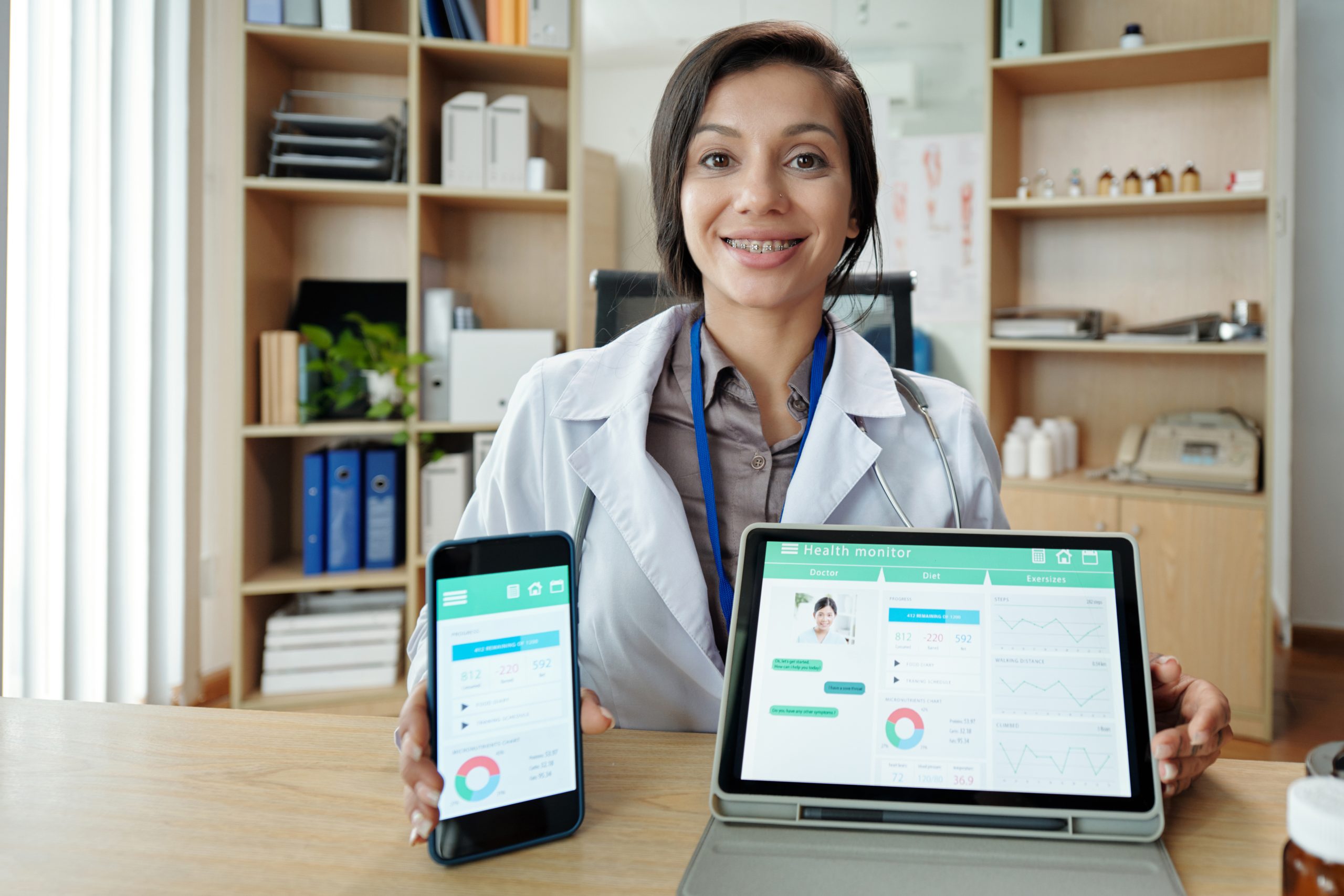
Many devices now include mobile apps that display data in easy-to-understand formats. Patients are able to:
• Track progress.
• Adjust lifestyle decisions.
• Communicate results with doctors.
Empowered patients are more engaged in their care, leading to improved outcomes.
8. Data-Driven Decision Making:
Medical devices generate vast amounts of data. AI-enabled systems analyze this data to support clinical decision-making, helping providers:
• Predict complications.
• Identify treatment patterns.
• Customize therapy plans.
Data-driven care is more effective and reduces avoidable health risks.
Final Thoughts:
Modern medical devices enhance nearly every aspect of patient care—from diagnostics and treatment to safety and self-management. As technology advances, patient outcomes will continue to improve, creating a healthcare system that is more personalized, proactive, and efficient.