
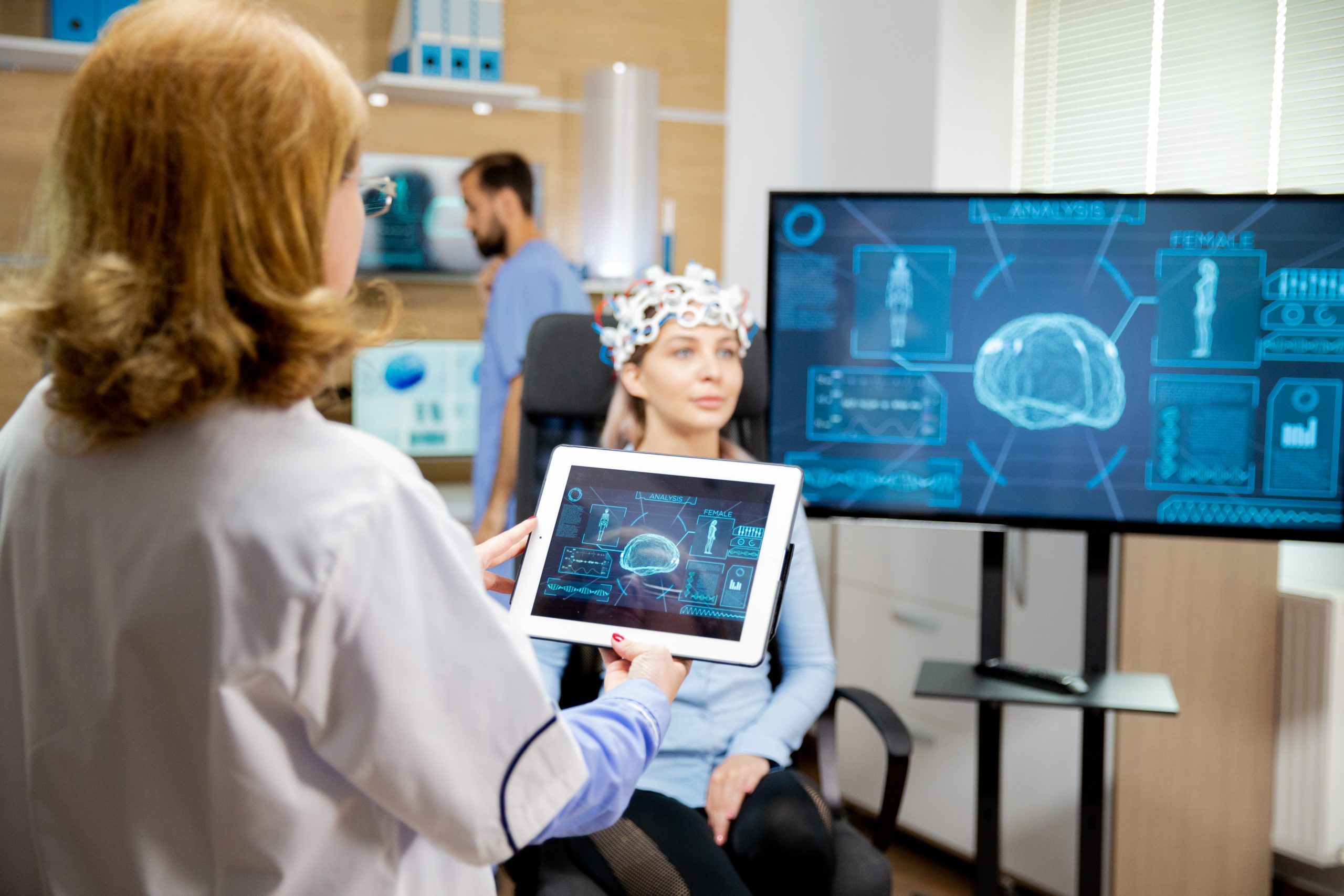




Biotechnology and genomics are revolutionizing modern medicine. By 2025, breakthroughs in gene editing, synthetic biology, and genomic sequencing are enabling more personalized, preventive, and effective healthcare solutions. These innovations are shaping how diseases are diagnosed, treated, and even prevented. The convergence of biology and technology is unlocking possibilities that were unimaginable a decade ago.
1. Rapid Advancements in Genomic Sequencing:
Genomic sequencing has become faster, cheaper, and more accurate. What once required massive budgets and complex tools can now be achieved quickly and affordably. As sequencing becomes more accessible, clinicians can:
• Identify disease risks earlier.
• Customize treatment plans.
• Understand genetic variants.
• Screen hereditary conditions.
Genomics is becoming a core component of preventive healthcare.
2. CRISPR and Gene Editing Therapies:
Gene editing is one of the most groundbreaking advancements in biotech. CRISPR technology enables scientists to edit DNA with unparalleled precision. In 2025, gene editing is being used to:
• Treat rare genetic diseases.
• Correct inherited disorders.
• Investigate cancer pathways.
• Explore potential cures for blood disorders.
While ethical considerations remain, gene editing holds immense promise.
3. Synthetic Biology Transforming Drug Development:
Synthetic biology allows scientists to design biological systems from scratch. This innovation is accelerating drug development by enabling:
• Custom-engineered microbes.
• Rapid vaccine creation.
• Novel therapeutic compounds.
During global health challenges, synthetic biology dramatically reduces development time and increases scalability.
4. Personalized and Precision Medicine:
Biotech and genomics are powering precision medicine, in which treatments are tailored to individual genetics rather than general populations. This approach leads to:
• More effective therapies.
• Reduced side effects.
• Better long-term outcomes.
Precision medicine is becoming a new standard in oncology, cardiology, and neurology.
5. Regenerative Medicine and Stem Cell Therapies:
Stem cell research is transforming how we approach tissue repair and organ regeneration. In 2025, stem cell therapies help:
• Restore damaged tissues.
• Treat degenerative diseases.
• Support organ function.
Regenerative medicine is offering hope to patients with conditions once considered untreatable.
6. Bioprinting and 3D Tissue Engineering:
Bioprinting uses 3D printing technology to create tissues and organ structures. This breakthrough has applications in:
• Surgical reconstruction.
• Drug testing.
• Organ transplant alternatives.
Bioprinting may one day eliminate donor organ shortages.
7. Microbiome-Based Treatments:
New research shows the human microbiome plays a crucial role in immunity, digestion, and overall health. Microbiome-based therapies are emerging to treat:
• Autoimmune disorders.
• Digestive diseases.
• Mental health conditions.
Understanding microbiome interactions opens doors to new personalized therapies.
8. Ethical, Legal, and Social Considerations:
With powerful technologies come important ethical questions. Concerns include:
• Genetic privacy.
• Germline editing risks.
• Equity in access.
Responsible innovation must balance potential with societal impact.
Final Thoughts:
Biotech and genomics are redefining modern medicine. By 2025, these fields are enabling more accurate diagnoses, personalized treatments, and breakthroughs that once belonged to science fiction. The future of medicine is being built today—with biology and technology at the center of transformation.