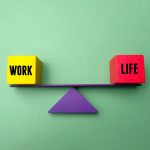





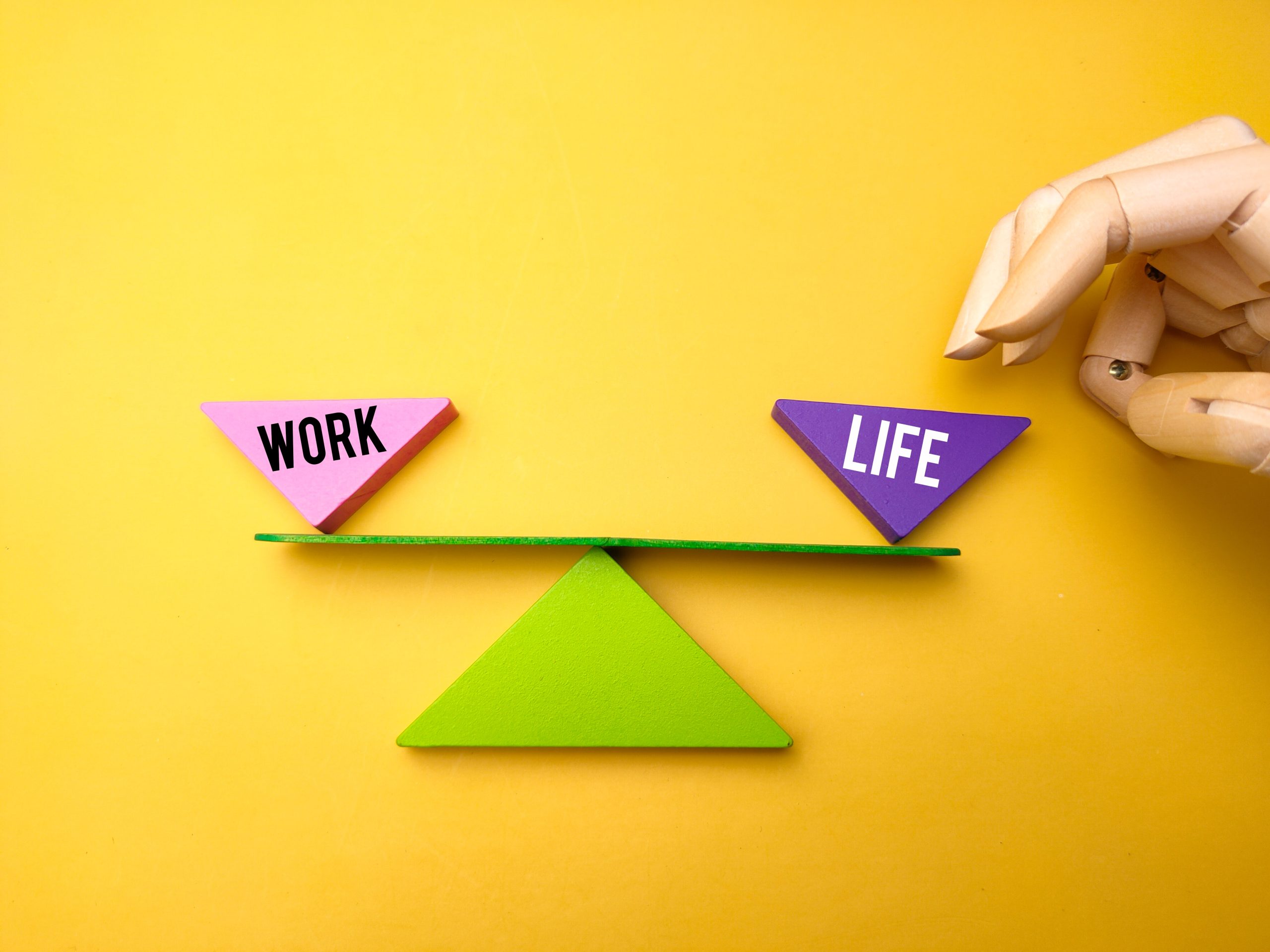
In 2025, maintaining a healthy work-life balance is more important than ever. As the lines between work and personal life continue to blur, especially with remote work and digital tools keeping us connected 24/7, finding balance can be a challenge. However, by implementing practical strategies, it is possible to manage work commitments while preserving personal well-being. Here’s how to achieve work-life balance in the modern world.
1. Establish Clear Boundaries Between Work and Personal Life:
The first step to achieving work-life balance is setting clear boundaries between your professional and personal life. For remote workers, this is especially important since it can be easy to continue working long after office hours have ended.
Create a dedicated workspace that is separate from your personal areas of relaxation. This physical separation helps mentally cue you into “work mode” when you’re in that space and “home mode” when you leave it. Establish set work hours and communicate them with your team and family members, so everyone knows when you are available and when you need time to focus on yourself.
2. Prioritize Tasks and Delegate When Possible:
A big part of achieving work-life balance is learning how to prioritize tasks and delegate effectively. At work, focus on the most important tasks that move the needle toward your goals. Use productivity tools like Trello, Asana, or Todoist to keep track of tasks and deadlines, allowing you to focus on what matters most.
Similarly, at home, don’t hesitate to delegate chores, family responsibilities, or errands. In a world where everyone is busy, dividing responsibilities fairly ensures that no one person bears the burden of work or domestic duties alone.
3. Manage Your Time with Time Blocking:
Time blocking is a powerful strategy that can improve both productivity and balance. It involves assigning specific blocks of time for different tasks, both professional and personal. For example, you might block off the first few hours of your day for deep work, followed by a lunch break and an afternoon block for meetings and collaborations.
Make sure to include time for personal activities, such as exercise, family time, and hobbies, in your calendar. By treating personal activities with the same level of importance as work commitments, you’ll ensure you have time for what matters most.
4. Take Regular Breaks and Practice Self-Care:
It’s essential to schedule regular breaks throughout the day to recharge and avoid burnout. The Pomodoro Technique, which involves working in 25-minute intervals with short breaks in between, is a great way to maintain focus and prevent mental fatigue.
Beyond work breaks, self-care is vital for mental and physical health. Make time for activities that relax and rejuvenate you, such as meditation, reading, exercising, or spending time with loved ones. This downtime is essential for maintaining long-term productivity and overall happiness.
5. Set Realistic Expectations and Learn to Say No:
Setting realistic expectations with yourself and others is key to managing your work-life balance. Don’t overcommit to tasks or take on too many responsibilities. Recognize that it’s okay to say no to additional work, social obligations, or volunteer duties when you’re already stretched thin.
Learning to set boundaries and say no in a professional and polite manner allows you to focus on what truly matters and prevents you from becoming overwhelmed.
6. Embrace Flexibility:
In 2025, many workplaces are embracing flexible work schedules, and remote work allows greater autonomy over your day-to-day activities. If possible, work with your employer to create a schedule that fits your personal needs. Flexibility can include adjusting your work hours, working from a different location, or even taking time off when necessary.
Embrace this flexibility by designing a schedule that supports both your professional and personal goals. For example, if you have a family, you might prefer to start your workday early to finish in time for dinner, or if you’re a night owl, you can adjust your work hours to match your natural rhythm.
7. Stay Physically Active:
Physical health plays a major role in maintaining work-life balance. Regular exercise not only improves your overall health but also boosts mental clarity and reduces stress. Set aside time each day for physical activity, whether it’s a walk, yoga, or a gym session.
Staying active also helps you avoid physical strain from long hours of sitting at your desk, which is common for many remote workers. Exercise boosts energy levels and enhances productivity, allowing you to perform at your best both at work and in your personal life.
8. Practice Mindfulness and Stress Management:
Mindfulness and stress management techniques are essential for maintaining work-life balance. Practices like meditation, deep breathing, or journaling can help calm your mind, reduce stress, and improve focus. Starting or ending your day with a few minutes of mindfulness can help you reset, stay present, and prioritize what matters most.
Conclusion:
Achieving a healthy work-life balance in 2025 requires intentionality and effort. By setting clear boundaries, prioritizing tasks, embracing flexibility, practicing self-care, and maintaining physical and mental well-being, you can lead a more balanced, fulfilling life. In today’s fast-paced world, it’s crucial to make time for both work and personal happiness to ensure long-term success and well-being.