






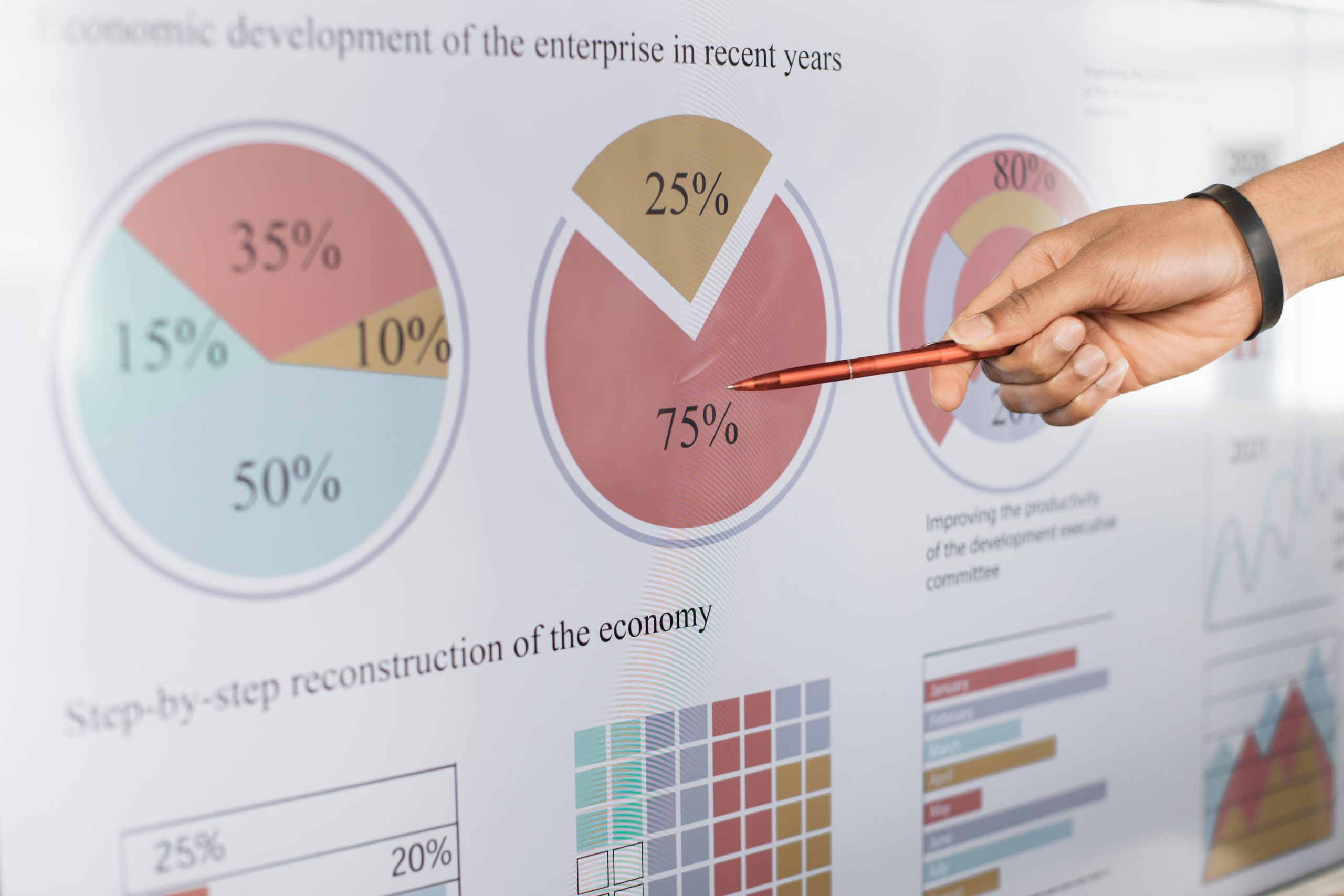
Data visualization has become one of the most important components of modern analytics. As organizations generate massive amounts of data every day, the ability to transform raw numbers into meaningful visual insights has become essential for decision-making. Data visualization tools help users identify trends, uncover patterns, communicate results, and make informed business choices. With so many tools available today, understanding their strengths and capabilities is key to selecting the right solution for your team.
Why Data Visualization Matters:
Data visualization turns complex datasets into visual formats such as charts, graphs, dashboards, heatmaps, and interactive reports. This helps business leaders quickly grasp information without needing deep technical expertise. Visualization enhances storytelling, promotes data literacy, and supports faster, more accurate decisions.
1. Tableau:
Tableau is one of the most widely used data visualization platforms in the world. It is known for its powerful analytics engine, drag-and-drop interface, and ability to handle large datasets. Users can connect to multiple data sources, build interactive dashboards, and publish their work to Tableau Server or Tableau Cloud. Tableau is ideal for analysts, business users, and enterprises that need deep insights and polished dashboards.
2. Microsoft Power BI:
Power BI is a cost-effective yet powerful visualization tool that integrates seamlessly with Microsoft products like Excel, Azure, and SQL Server. It allows users to create professional reports, interactive dashboards, and real-time analytics. Power BI’s strong AI features, including natural-language queries and automated insights, make it a top choice for businesses of all sizes. Its affordability and accessibility also make it ideal for small and mid-sized organizations.
3. Google Looker Studio:
Previously known as Google Data Studio, Looker Studio enables users to create customizable dashboards using Google Analytics, BigQuery, Sheets, and other sources. Its real-time collaboration features make it perfect for marketing teams, agencies, and digital analysts. Since it’s free, Looker Studio is often the entry point for organizations beginning their data visualization journey.
4. Qlik Sense:
Qlik Sense uses an associative analytics engine that allows users to explore data relationships freely. Unlike traditional query-based tools, Qlik helps users discover hidden connections by analyzing data from multiple angles. Its self-service analytics capabilities make it suitable for enterprises with complex datasets and cross-functional teams.
5. D3.js:
D3.js is a JavaScript library for creating advanced, custom data visualizations. It provides complete control over every aspect of the visual output. D3 is best for developers and designers who need highly customized charts, maps, and interactive visual experiences. While it requires coding knowledge, the flexibility it offers is unmatched.
6. IBM Cognos:
IBM Cognos is an enterprise-grade analytics platform offering AI-powered insights and interactive visualizations. It integrates well with IBM’s broader ecosystem, making it ideal for large organizations with complex reporting needs.
7. Zoho Analytics:
Zoho Analytics is a user-friendly, affordable option for businesses looking for self-service BI tools. It supports automated reporting, AI insights, and seamless integration with the Zoho suite and external apps like Salesforce and HubSpot.
Choosing the Right Tool:
The best visualization tool depends on your specific needs:
• For enterprise-scale analytics: Tableau, Qlik, or Cognos.
• For Microsoft environments: Power BI.
• For marketing and digital analytics: Looker Studio.
• For custom visual development: D3.js.
• For small businesses: Zoho Analytics or Power BI.
The Future of Visualization:
As organizations increasingly rely on data, visualization tools will integrate more AI, predictive insights, real-time dashboards, and natural-language querying. The rise of augmented analytics will empower non-technical users to create sophisticated visualizations with ease.