






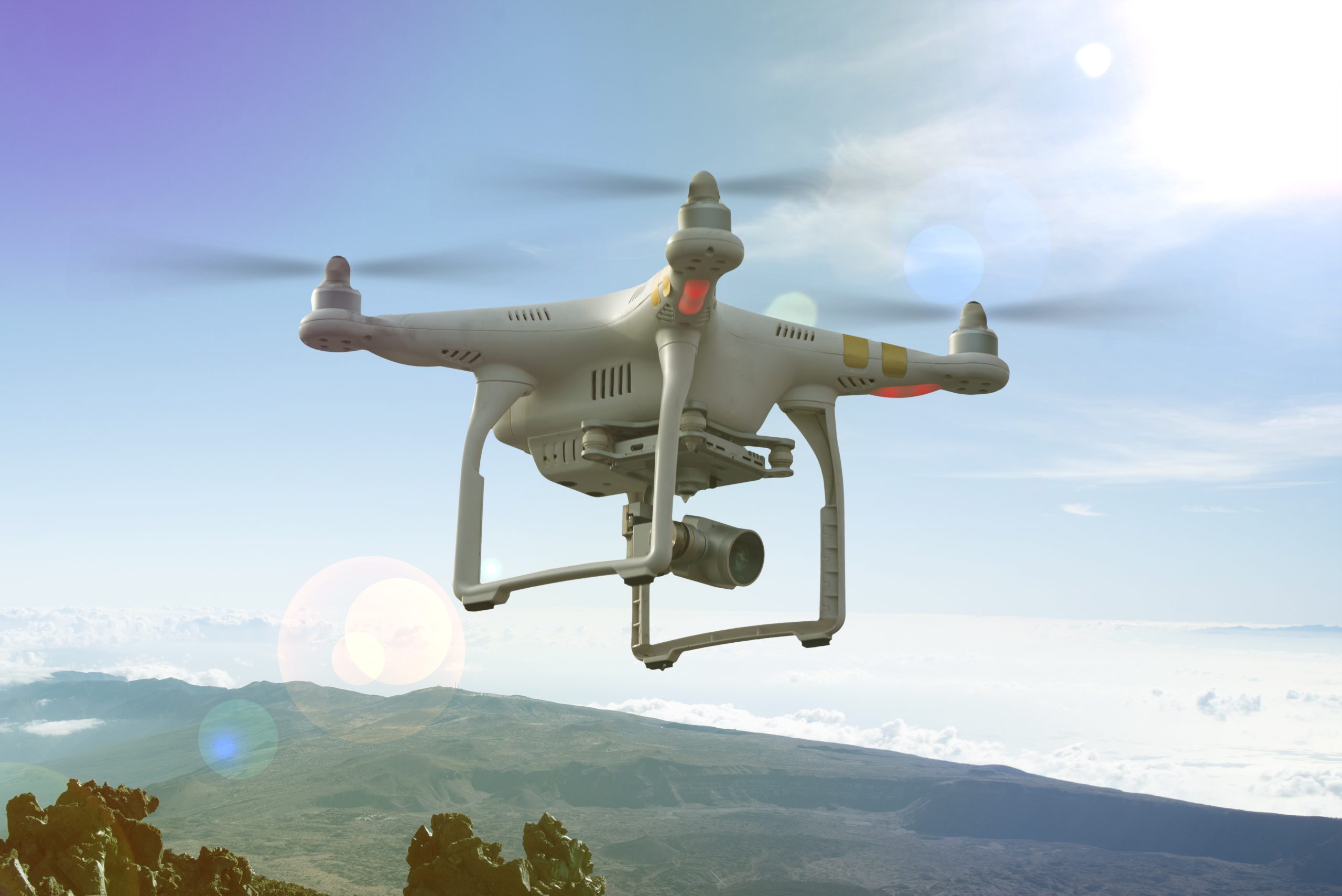
Autonomous drones are becoming one of the most disruptive technologies in modern industries. Once used only for photography or hobby flying, drones today play a central role in delivery services, agriculture, construction, security, and emergency response. With advanced sensors, GPS, and AI-powered navigation, autonomous drones are revolutionizing the way businesses operate.
Why Autonomous Drones Matter:
1. Speed & Efficiency:
Drones reach destinations faster than cars or trucks—especially in crowded cities.
2. Access to Hard-to-Reach Areas:
They operate in locations that are dangerous or impossible for humans to enter.
3. Lower Operational Costs:
Drones reduce fuel expenses, labor costs, and delivery times.
Key Applications of Autonomous Commercial Drones:
1. Delivery Services:
Companies like Amazon, Walmart, and UPS are testing drone deliveries for:
-
Groceries.
-
Medicines.
-
Small parcels.
Drones deliver in minutes, improving customer convenience and reducing traffic.
2. Agriculture:
Farmers use drones to:
-
Monitor crop health.
-
Spray pesticides.
-
Map fields.
-
Analyze soil conditions.
Autonomous drones help increase crop yields and reduce resource waste.
3. Construction & Infrastructure:
Drones inspect:
-
Bridges.
-
Power lines.
-
Tall buildings.
-
Construction progress.
They provide high-resolution images and 3D maps, improving safety and accuracy.
4. Emergency Response:
Drones help in situations like:
-
Search and rescue.
-
Firefighting.
-
Disaster assessment.
They reach areas faster than rescue teams and send real-time data.
5. Security & Surveillance:
Autonomous drones patrol large properties, detect unusual activities, and notify security teams instantly.
6. Environmental Monitoring:
Drones track:
-
Forest health.
-
Wildlife populations.
-
Air and water quality.
-
Natural disasters.
This data supports environmental preservation.
Technologies Behind Autonomous Drones:
1. AI & Machine Learning:
AI helps drones avoid obstacles, optimize routes, recognize objects, and make split-second decisions.
2. GPS Navigation:
Drones use GPS and real-time kinematic positioning for precise movement.
3. Advanced Sensors:
Including:
-
LiDAR.
-
Thermal cameras.
-
Ultrasonic sensors.
-
Infrared imaging.
These help drones navigate complex environments safely.
Benefits of Autonomous Drones:
1. Reduced Human Risk:
Drones take over dangerous tasks like inspecting rooftops or disaster zones.
2. Lower Costs:
Automation cuts operational expenses significantly over time.
3. Faster Workflows:
Drones complete tasks in minutes that traditionally took hours.
4. Data-Driven Insights:
High-quality aerial data improves decision-making across industries.
Challenges to Adoption:
1. Regulations:
Many countries still limit where and how autonomous drones can fly.
2. Weather Dependence:
Drones may struggle in heavy rain, strong winds, or low visibility.
3. Privacy Concerns:
Aerial surveillance raises questions about data protection.
4. Technical Limitations:
Battery life, payload capacity, and range need further improvement.
The Future of Commercial Drones:
Expect:
-
Fully autonomous delivery networks.
-
Drone highways in the sky.
-
Improved battery and solar-powered drones.
-
Swarm drones coordinating tasks together.
-
AI systems predicting maintenance needs.
Autonomous drones are not just enhancing industries—they are redefining them.