


Will Robots Replace Manual Labor?
The rise of robotics and automation has sparked a major debate: Will robots replace manual labor? As factories, warehouses, restaurants, and even farms adopt advanced machines, many workers worry about job security.
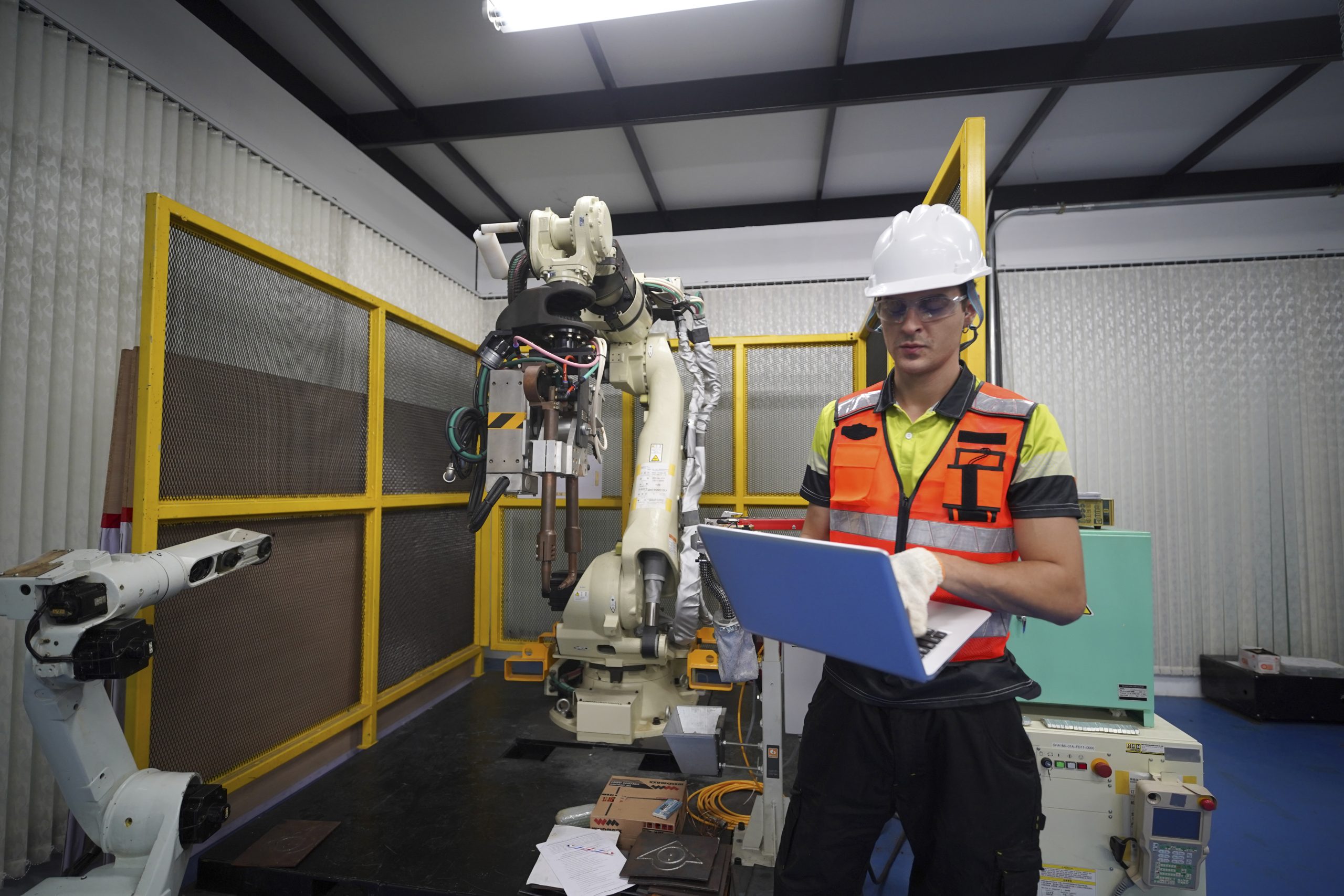
The rise of robotics and automation has sparked a major debate: Will robots replace manual labor? As factories, warehouses, restaurants, and even farms adopt advanced machines, many workers worry about job security.

Household robots were once seen as futuristic gadgets—something out of science fiction. But in recent years, they have become widely accessible and increasingly popular. From robot vacuum cleaners to home assistants, these smart machines are transforming daily living by making household tasks easier, faster, and more convenient.
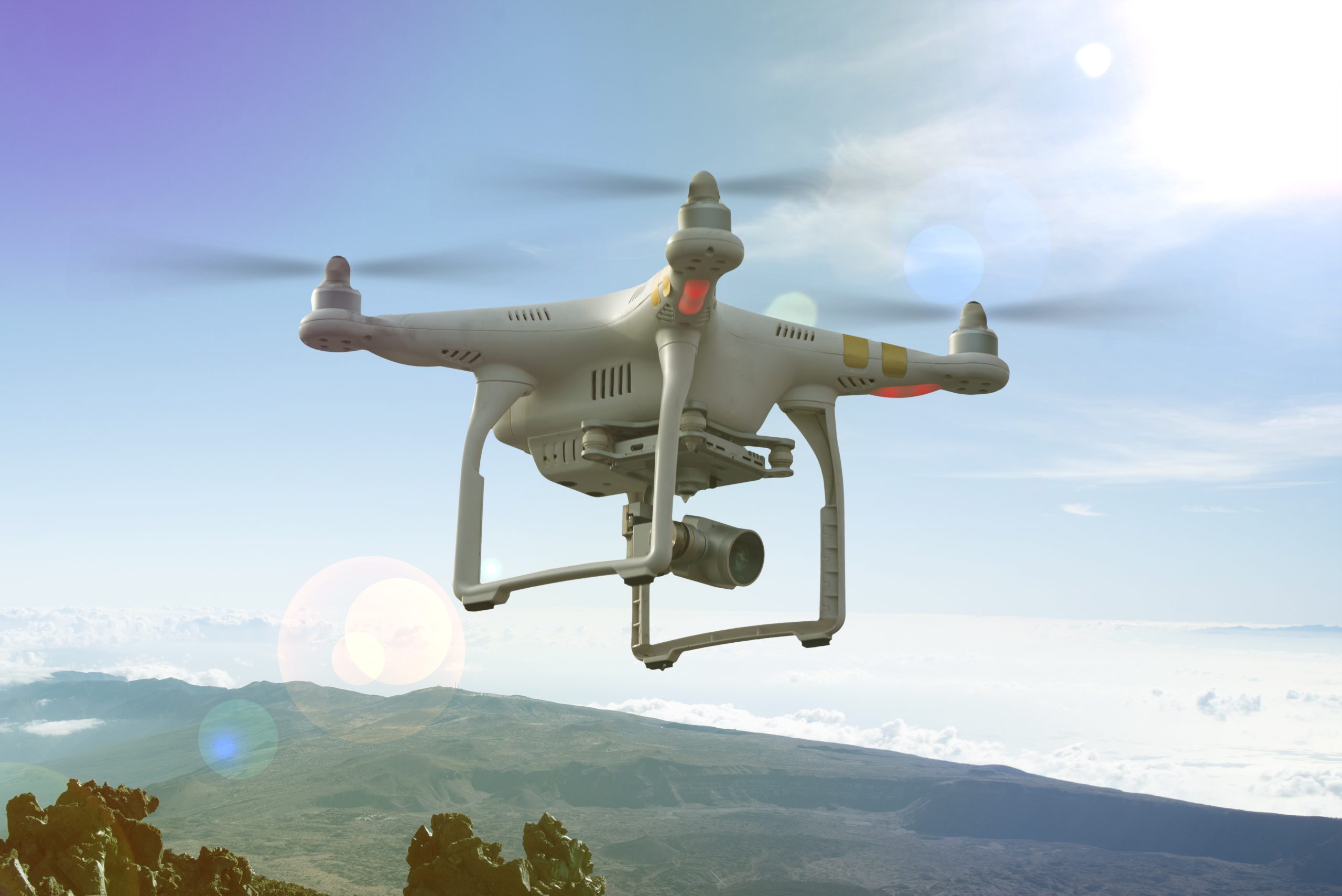
Autonomous drones are becoming one of the most disruptive technologies in modern industries. Once used only for photography or hobby flying, drones today play a central role in delivery services, agriculture, construction, security, and emergency response.

Cloud computing has become one of the most widely used technologies in the world—powering everything from your email and online banking to Netflix and business software. But what exactly is cloud computing, and why is it so important today? This simple guide breaks it down in easy-to-understand language.

As digital transformation accelerates, more businesses—from startups to large corporations—are moving their operations to the cloud. Cloud technology offers unparalleled flexibility, cost savings, and scalability. For modern businesses, migrating to the cloud isn’t just an upgrade—it’s a strategic necessity.
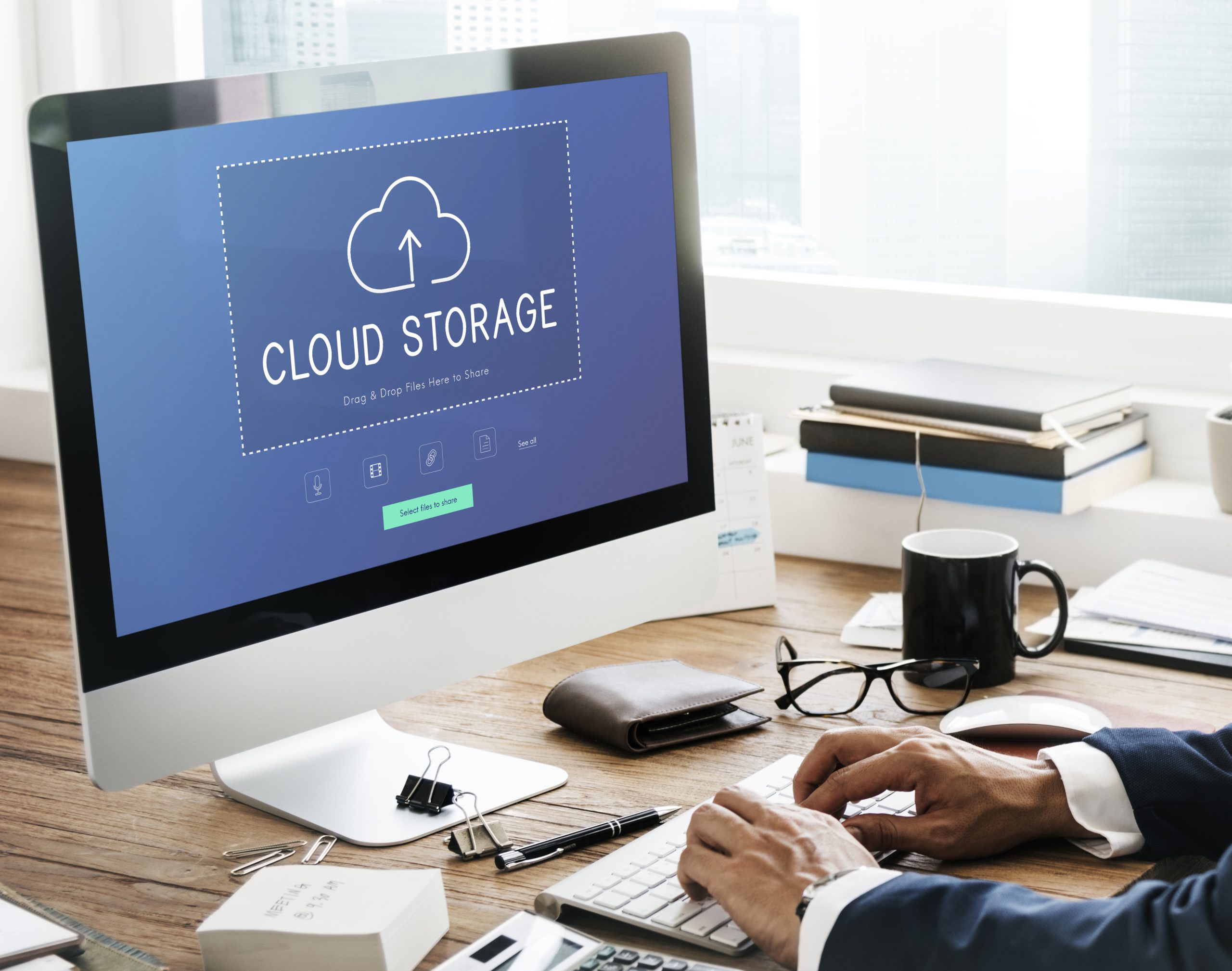
Small businesses must store large amounts of data—documents, customer files, images, backups, videos, and more. Cloud storage offers a secure, affordable, and accessible solution. But with so many providers available, choosing the right one can be challenging.

Cloud computing has transformed how businesses operate, allowing companies to scale quickly, reduce IT costs, and access powerful tools without owning expensive hardware. But within cloud computing, three service models often confuse beginners: SaaS, PaaS, and IaaS.
As cloud adoption accelerates, cybersecurity threats continue to evolve. By 2025, businesses rely on the cloud more than ever for data storage, remote work, app development, and daily operations. But increased dependency brings increased risks.
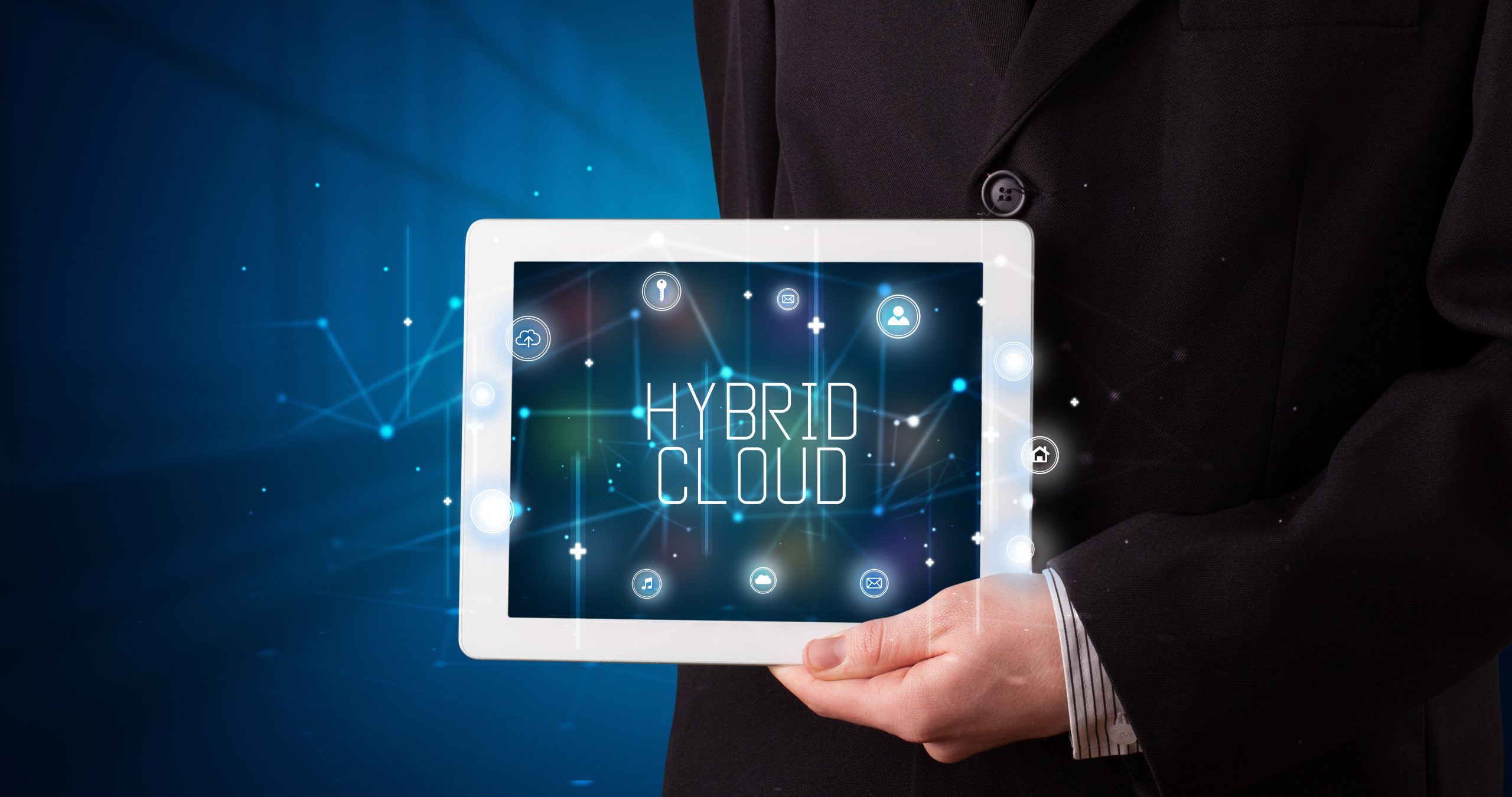
As businesses expand, their IT infrastructures must become more flexible, scalable, and secure. Two major cloud strategies leading this transformation are hybrid cloud and multi-cloud. Although they sound similar, they serve different purposes and offer unique benefits.

Cloud computing has fundamentally reshaped how organizations operate in distributed environments. As remote work becomes a long-term reality for many businesses, the cloud serves as the backbone that enables flexible access, collaboration, and operational continuity.