






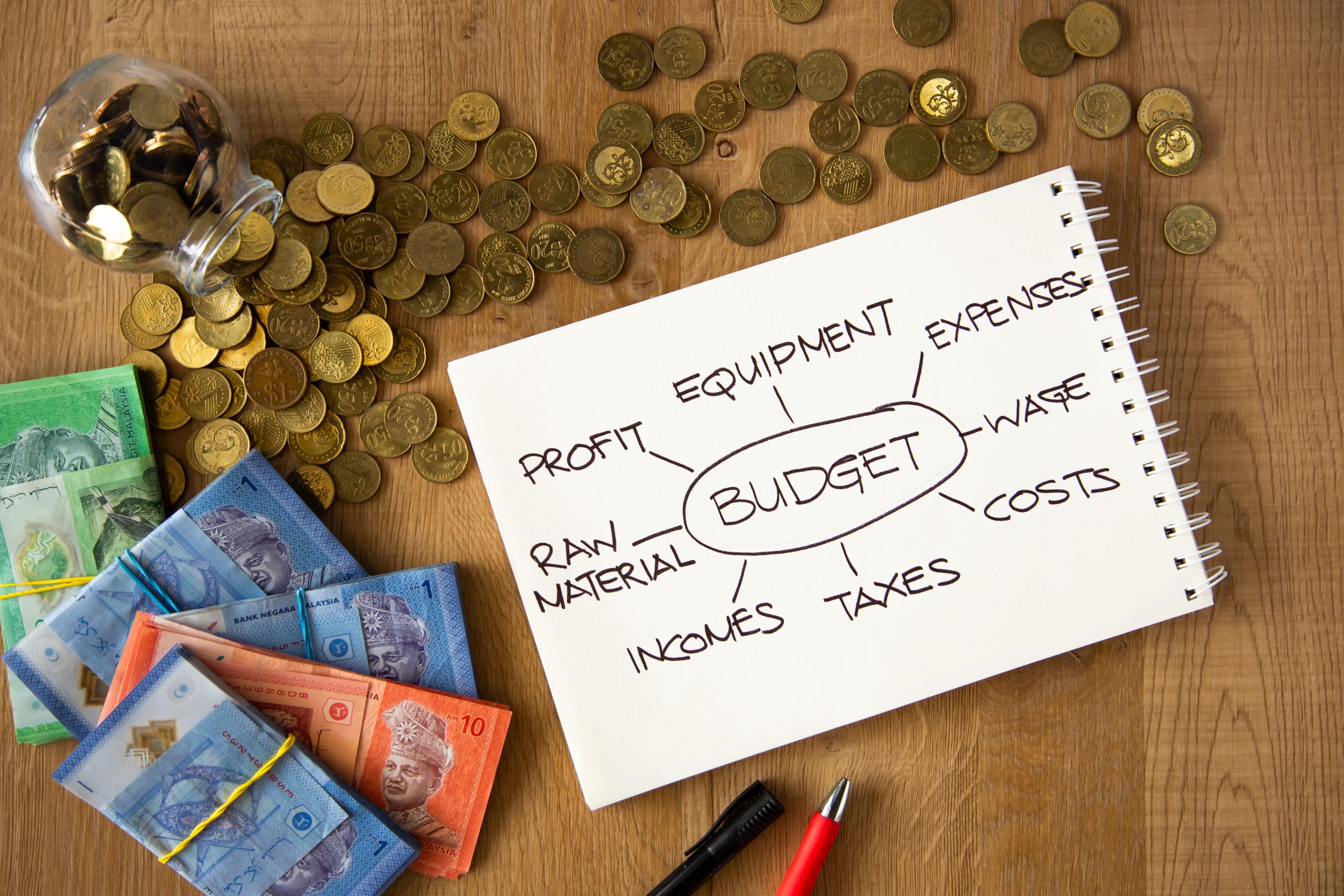
Budgeting doesn’t have to be overwhelming or complex. In fact, with the right strategies, anyone can take control of their finances and set themselves up for financial success. Whether you’re looking to save for a big purchase, reduce debt, or just get a clearer picture of your financial situation, budgeting is a critical tool. Here are some simple and effective strategies to help you take control of your finances and make budgeting a breeze.
1. Start with a Clear Goal:
Before you can create an effective budget, you need to establish a clear financial goal. This could be anything from saving for a vacation, building an emergency fund, or paying off credit card debt. Having a specific goal will give your budget direction and purpose, making it easier to stick to.
2. Track Your Income and Expenses:
The first step in creating any budget is understanding where your money comes from and where it goes. Start by tracking all of your income, including salary, freelance work, and any other sources of revenue. Then, record all your expenses, from monthly bills to discretionary spending like eating out or entertainment. There are many budgeting apps, like Mint or PocketGuard, that can help automate this process and provide an overview of your finances.
3. Use the 50/30/20 Rule:
One of the simplest budgeting methods is the 50/30/20 rule. This strategy divides your income into three categories:
-
50% for needs (e.g., housing, utilities, food).
-
30% for wants (e.g., entertainment, dining out, hobbies).
-
20% for savings and debt repayment (e.g., retirement savings, emergency fund, loan payments).
By following this rule, you can ensure that you’re covering your essential expenses while also setting aside money for the future.
4. Create a Zero-Based Budget:
A zero-based budget is a strategy in which every dollar of your income is assigned a specific purpose, whether it’s for expenses, savings, or debt repayment. The goal is to make sure that your income minus your expenses equals zero at the end of the month. This method forces you to account for every dollar, helping you avoid unnecessary spending and prioritize your financial goals.
5. Cut Back on Unnecessary Expenses:
One of the quickest ways to improve your budget is by cutting back on unnecessary expenses. Start by reviewing your discretionary spending, such as dining out, subscriptions, or impulse purchases. If you find areas where you can scale back, allocate those funds toward your savings or debt repayment goals. Small changes, like brewing coffee at home or canceling unused subscriptions, can add up over time.
6. Automate Your Savings:
One of the easiest ways to stick to your budget is by automating your savings. Set up automatic transfers to your savings or retirement account as soon as you get paid. This ensures that you’re consistently saving without having to think about it. It also reduces the temptation to spend that money elsewhere.
7. Review and Adjust Regularly:
Your budget should be a living document, not a set-it-and-forget-it plan. Life circumstances change, and so will your budget. Make it a habit to review your budget regularly—at least once a month—and make adjustments as needed. If you find that you’re overspending in one area, adjust your budget to accommodate that.
Conclusion:
Budgeting doesn’t have to be difficult or stressful. By setting clear goals, tracking your income and expenses, and using simple strategies like the 50/30/20 rule or zero-based budgeting, you can easily take control of your finances. Start with small, manageable changes and build from there. With discipline and consistency, you’ll be on your way to achieving your financial goals and securing a bright financial future.