






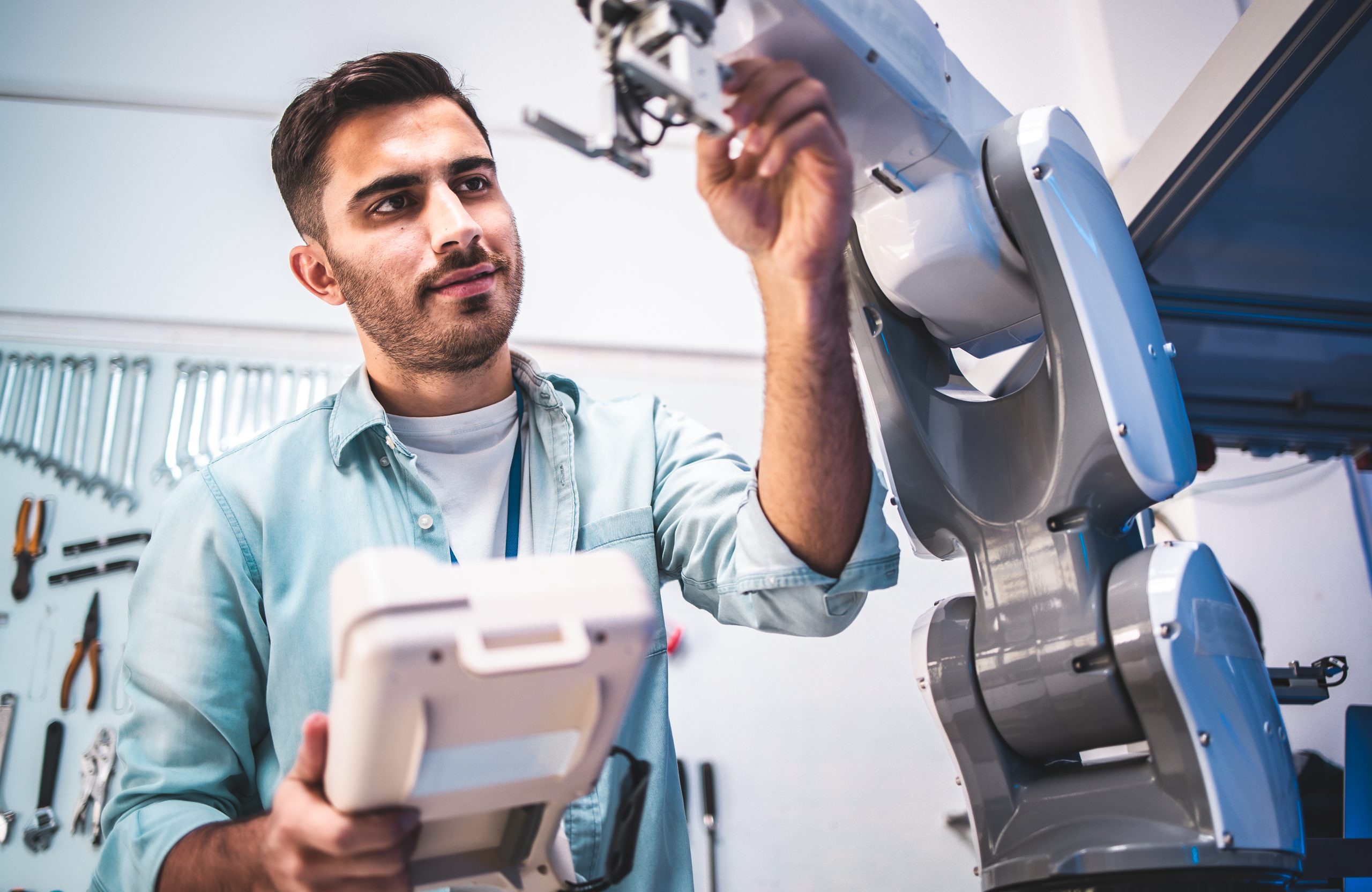
Healthcare is one of the most complex and demanding industries. With rising patient loads, staff shortages, and the need for precision in diagnosis and treatment, robotics is emerging as a transformative solution. But the question remains: Can robots truly improve healthcare outcomes? The answer is yes—when used effectively, robotics enhances precision, increases efficiency, and improves patient experiences.
Types of Robots in Healthcare:
1. Surgical Robots:
Robotic surgical systems, like the da Vinci robot, assist surgeons with minimally invasive procedures. They offer greater precision, smaller incisions, and faster patient recovery.
2. Rehabilitation Robots:
These robots help patients regain mobility after strokes, injuries, or surgeries. They guide movement and track progress accurately.
3. Diagnostic Robots:
Robots with integrated sensors and AI assist in scanning, monitoring vital signs, and analyzing medical data for early disease detection.
4. Service Robots:
Used in hospitals for tasks like:
-
Delivering medications.
-
Transporting supplies.
-
Cleaning rooms.
-
Assisting elderly patients.
Service robots reduce staff workload and ensure timely delivery of essential items.
How Robots Improve Healthcare Outcomes:
1. Enhanced Precision in Surgeries:
Robotic-assisted surgeries offer:
-
Higher accuracy.
-
Smaller incisions.
-
Reduced blood loss.
-
Lower infection risk.
Patients recover faster and experience fewer complications.
2. Shorter Hospital Stays:
Minimally invasive robotic procedures often result in shorter hospital stays, freeing up beds and reducing healthcare costs.
3. Improved Diagnostics:
Robots equipped with AI analyze medical images and datasets with exceptional accuracy. They can detect early signs of diseases such as:
-
Cancer.
-
Heart disease.
-
Neurological disorders.
Earlier diagnosis leads to better treatment outcomes.
4. Safer Hospitals Through Automation:
Robots help maintain hygiene by disinfecting rooms using UV light. This reduces the spread of infections—especially critical after the pandemic.
5. Support for Healthcare Workers:
Robots take over repetitive and heavy tasks like lifting patients or delivering supplies. This reduces worker burnout and allows staff to focus on complex, human-centered care.
6. Better Patient Monitoring:
Robotic monitoring systems track patient vitals continuously, alerting staff when something goes wrong. This ensures quicker intervention and improved patient safety.
Robotics in Elderly Care:
As aging populations grow, robots play an essential role in assisting seniors with:
-
Daily tasks.
-
Mobility.
-
Medication reminders.
-
Companionship.
This improves quality of life while reducing caregiver burden.
Limitations & Ethical Considerations:
1. High Costs:
Robotic systems and maintenance can be expensive, limiting their adoption.
2. Skill Requirements:
Healthcare professionals need training to use robotic tools safely.
3. Patient Trust:
Some patients may feel uncomfortable with robots involved in their care. Building trust is important.
4. Ethical Risks:
Dependence on automation raises concerns about privacy, autonomy, and digital decision-making.
The Future of Robotics in Healthcare:
Expect advancements such as:
-
Fully autonomous diagnostic robots.
-
AI-guided personalized treatment.
-
Surgical robots with enhanced sensory feedback.
-
Home-care robots for chronic patients.
Robotics won’t replace healthcare professionals, but it will amplify their capabilities—leading to better, faster, and safer patient outcomes.