






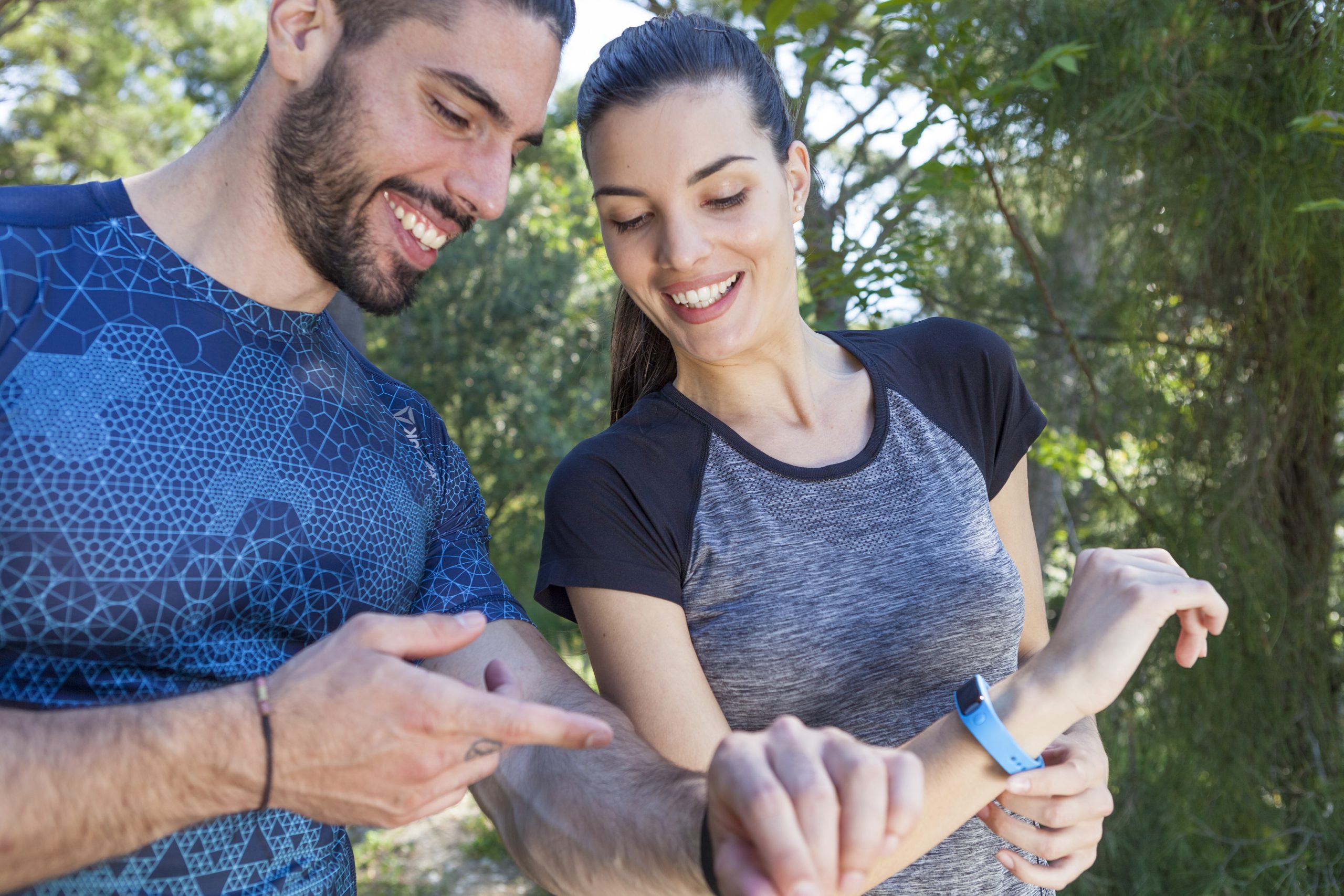
Fitness technology has revolutionized how people track progress, set goals, and maintain healthier lifestyles. From smart wearables to AI-powered workout systems, fitness tech gadgets in 2025 offer advanced features that make personal wellness more accessible and data-driven. Whether you’re a beginner or a professional athlete, these innovative devices can enhance your fitness journey.
Smartwatches and Fitness Trackers:
Smartwatches remain the most popular fitness gadgets. Devices from Apple, Garmin, Fitbit, and Samsung now offer advanced health monitoring, including heart-rate tracking, ECG, blood oxygen monitoring, stress analysis, and sleep tracking. Many watches feature built-in GPS for outdoor workouts and AI-based insights that recommend personalized workout routines, recovery times, and nutrition suggestions.
Smart Rings:
Smart rings are gaining traction due to their lightweight design and 24/7 monitoring capabilities. Brands like Oura Ring and Ultrahuman Ring Air analyze heart rate variability, sleep stages, recovery levels, and daily activity. They are ideal for users who want continuous health tracking without wearing a bulky device.
Connected Home Gym Systems:
Smart gym equipment such as Tonal, Mirror, Peloton, and Echelon offer personalized coaching, live classes, and guided strength or cardio workouts. AI-driven systems adjust resistance automatically, track form, and provide real-time feedback. These devices transform home workouts into interactive, professional-level fitness sessions.
AI Personal Trainers:
AI-powered fitness apps use machine learning to analyze your movements through smartphone cameras and wearable sensors. Apps like Tempo Fit, Freeletics, and Fitbod provide customized workout plans based on your performance, goals, and recovery data. AI coaches help eliminate guesswork and ensure efficient training.
Smart Scales and Body Analyzers:
Smart scales from Withings, Renpho, and Garmin measure more than just weight. They track body fat percentage, muscle mass, bone density, hydration levels, and metabolic age. The data syncs with mobile apps, offering users a complete view of their progress.
Recovery Gadgets:
Recovery is just as important as training. Devices like Theragun, Hyperice massage guns, compression boots, and infrared therapy pads help reduce muscle soreness, improve circulation, and enhance flexibility. These gadgets are widely used by athletes and fitness enthusiasts to support long-term performance.
Smart Water Bottles:
Hydration plays a critical role in fitness. Smart water bottles such as HidrateSpark track daily water intake and remind users to stay hydrated. They sync with smartphones or wearables to offer personalized hydration goals.
VR Fitness Systems:
Virtual reality is transforming fitness into a fun and immersive experience. Platforms like Meta Quest and Supernatural provide VR workout classes, boxing sessions, meditation programs, and cardio exercises that gamify workouts, making them more engaging.
Wearable Clothing and Biometric Gear:
Fitness wearables are moving into apparel. Smart shirts, socks, and shorts with embedded sensors measure breathing patterns, posture, muscle activation, and performance metrics. These garments provide deeper insights than traditional wearables and help athletes optimize their training.
Portable Gym Equipment:
Compact gadgets like resistance band systems, smart jump ropes, and foldable exercise equipment offer effective workouts on the go. Smart jump ropes track jump counts, speed, and calories burned.
Fitness tech continues to push boundaries, providing tools that make workouts smarter, safer, and more personalized. Whether you want to improve endurance, build strength, or live a healthier lifestyle, today’s fitness gadgets offer powerful support for achieving your goals.