





The journey from a scientific idea to a life-saving medication is long, complex, and highly regulated. The drug discovery and approval process ensures that new therapies are not only effective but also safe for public use. While this pathway historically took over a decade, modern technology is accelerating progress while maintaining rigorous scientific standards. Understanding this process helps illuminate the enormous effort behind every medication on the market.
1. Step 1: Identifying the Medical Need:
Drug development begins with identifying unmet medical needs or potential therapeutic targets. Researchers study disease mechanisms, patient data, and molecular pathways to determine where intervention might be beneficial. This foundational step sets the direction for all future research.
2. Step 2: Drug Discovery and Preclinical Research:
Once a target is identified, scientists begin screening thousands of molecules to find promising candidates. Modern AI tools significantly speed up this phase by predicting which compounds will bind effectively with target proteins.
Preclinical research involves:
• Laboratory experiments.
• Computational simulations.
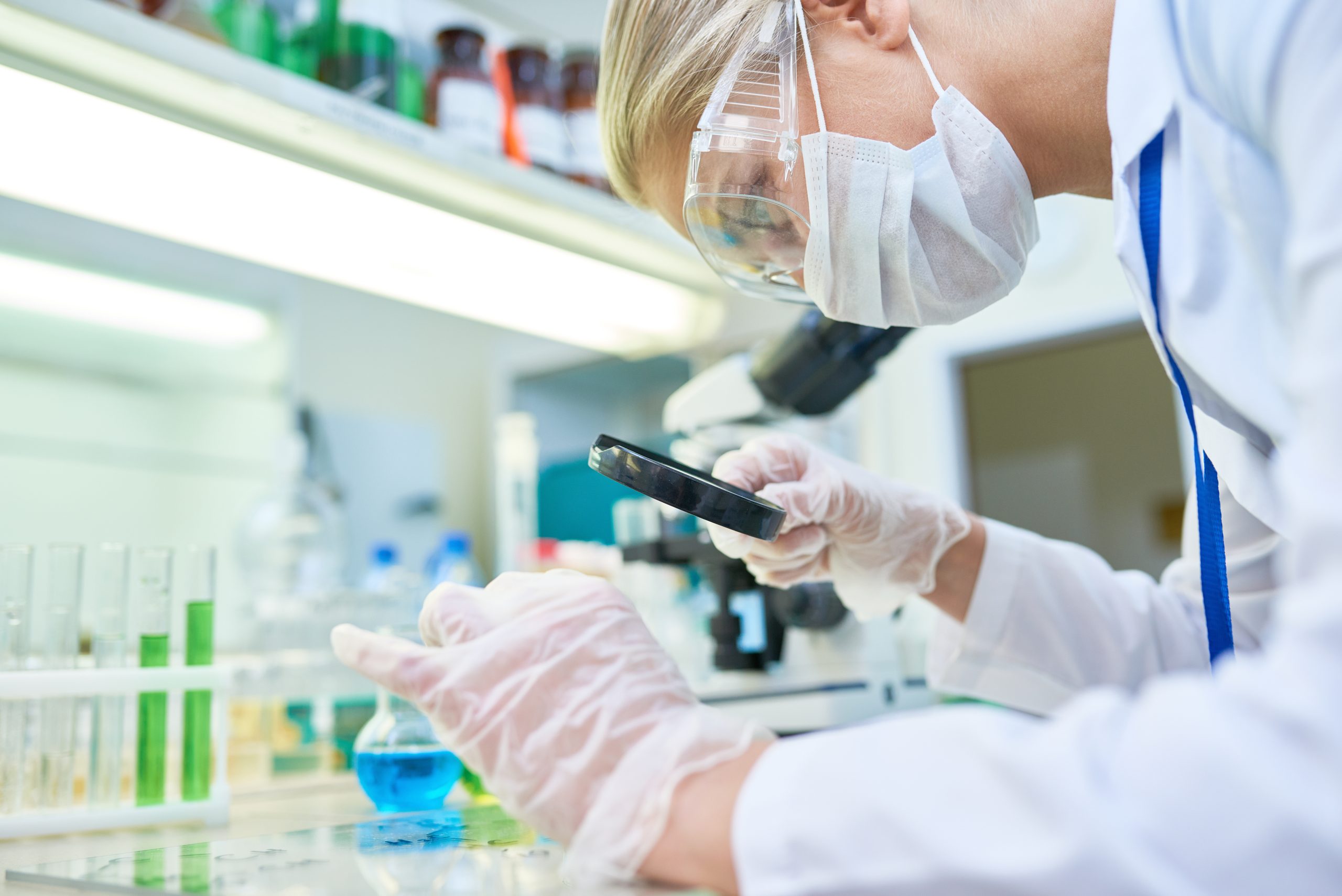
• Tests on cell cultures and animal models.
The goal is to evaluate safety, toxicity, and potential efficacy before human testing.
3. Step 3: Clinical Trials (Phase I, II, and III):
Clinical trials are the most critical part of drug development. They are conducted in three major phases:
Phase I:
Small group of healthy volunteers.
Purpose: Assess safety, dosage, and side effects.
Phase II:
Larger group of patients.
Purpose: Test effectiveness and refine dosing.
Phase III:
Thousands of participants.
Purpose: Compare effectiveness against existing treatments, monitor adverse effects, and collect large-scale data.
Each phase must show positive results before moving forward.
4. Step 4: Regulatory Review and Approval:
After successful trials, a pharmaceutical company submits a New Drug Application (NDA) or Biologics License Application (BLA). Regulatory agencies review all data on safety, effectiveness, manufacturing quality, and labeling.
This phase can take months or years, though accelerated pathways exist for urgent medical needs.
5. Step 5: Manufacturing and Quality Control:
Approval does not mark the end of the process. Companies must demonstrate their ability to produce the drug consistently at scale. Quality control ensures:
• Proper dosage.
• Purity.
• Stability.
• Compliance with safety standards.
6. Step 6: Post-Market Surveillance (Phase IV):
Even after approval, monitoring continues. Real-world evidence helps identify long-term effects, rare adverse reactions, and population-specific insights. Regulators may require label updates or additional studies.
7. Modern Innovations Transforming the Process:
AI and Machine Learning:
Accelerate screening and predict trial outcomes.
mRNA and Gene Editing Technologies:
Enable faster therapeutic design.
Decentralized Trials:
Increase participation and reduce costs.
Biomarker-Driven Studies:
Ensure treatments are tested on the right patient populations.
Final Thoughts:
The drug discovery process is rigorous and essential for patient safety. Advances in genomics, AI, digital health, and clinical trial innovation are streamlining this pathway. As science continues to evolve, new therapies will reach the market faster, offering greater hope for patients worldwide.