





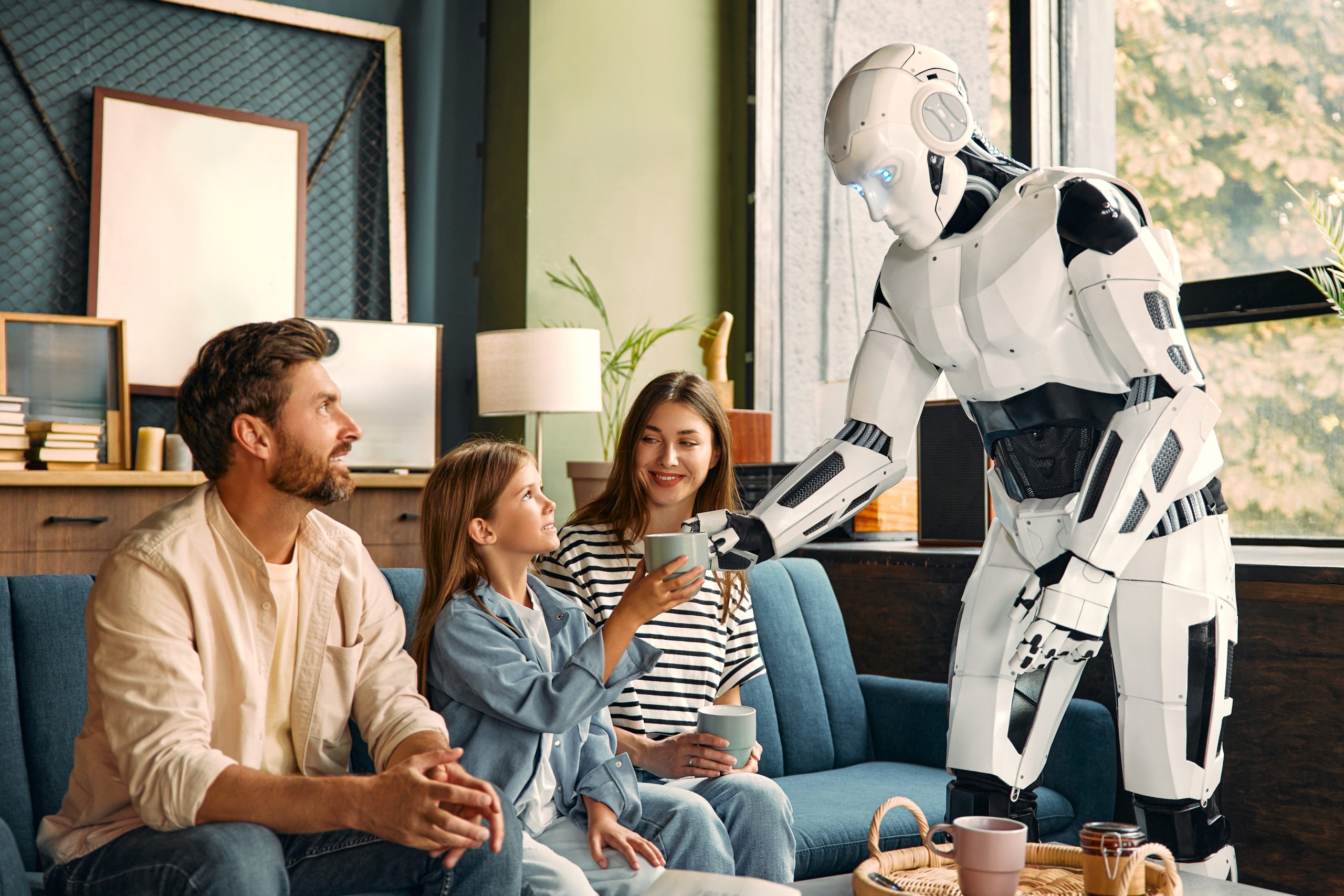
Household robots were once seen as futuristic gadgets—something out of science fiction. But in recent years, they have become widely accessible and increasingly popular. From robot vacuum cleaners to home assistants, these smart machines are transforming daily living by making household tasks easier, faster, and more convenient.
Why Household Robots Are Growing in Popularity:
1. Busy Lifestyles:
Modern families often lack free time. Household robots reduce the burden of everyday chores.
2. Advancements in AI & Sensors:
Better mapping, navigation, and voice recognition technologies have made robots more reliable.
3. Affordability:
Prices have dropped significantly, making robotic devices accessible to the average consumer.
4. Convenience:
Robots handle repetitive, time-consuming tasks, giving people more time for family, hobbies, or rest.
Popular Types of Household Robots:
1. Robot Vacuum Cleaners:
Robotic vacuums (like Roomba and Roborock) map floor layouts and clean automatically. Many can:
-
Avoid obstacles.
-
Self-charge.
-
Detect dirt-heavy areas.
-
Mop floors.
They have become the most common household robots worldwide.
2. Kitchen Robots:
Cooking robots help with:
-
Mixing ingredients.
-
Chopping vegetables.
-
Making coffee.
-
Preparing simple meals.
Some advanced systems automate entire recipes, turning cooking into a hands-off process.
3. Lawn-Mowing Robots:
Outdoor robots cut grass autonomously, navigating around gardens and returning to their charging docks when finished.
4. Window-Cleaning Robots:
These robots attach to windows and clean them without manual effort, ideal for high-rise apartments.
5. Personal Assistant Robots:
AI-powered assistants like Amazon Alexa and Google Home have robotic functionalities that:
-
Answer questions.
-
Control smart devices.
-
Play music.
-
Manage routines.
More advanced personal robots provide companionship and emotional support.
Benefits of Household Robots:
1. Time Savings:
Robots free up hours each week by automating tedious tasks.
2. Increased Productivity:
With chores handled automatically, households can focus on work, school, or leisure.
3. Improved Cleanliness & Hygiene:
Robots clean more consistently than humans, especially with daily schedules.
4. Assistance for Elderly or Disabled Families:
Robots help with mobility, medication reminders, and safety alerts—improving independence.
5. Energy Efficiency:
Many robots use smart sensors to reduce wasted energy and water.
Challenges of Household Robots:
1. High Upfront Costs:
Premium models can be expensive.
2. Technical Limitations:
Robots may struggle with:
-
Cluttered spaces.
-
Thick carpets.
-
Narrow corners.
3. Maintenance Requirements:
Cleaning sensors and replacing parts are necessary to keep robots functioning well.
4. Privacy Concerns:
Some robots use cameras and microphones, raising questions about data security.
The Future of Household Robotics:
Expect innovations such as:
-
Fully autonomous cooking robots.
-
Robotic laundry folding.
-
Emotional companion robots.
-
Advanced home security robots.
-
Integrated smart home AI managing all household tasks.
Household robots are evolving from simple cleaning devices to intelligent home companions. As technology grows, they will continue to reshape everyday living.