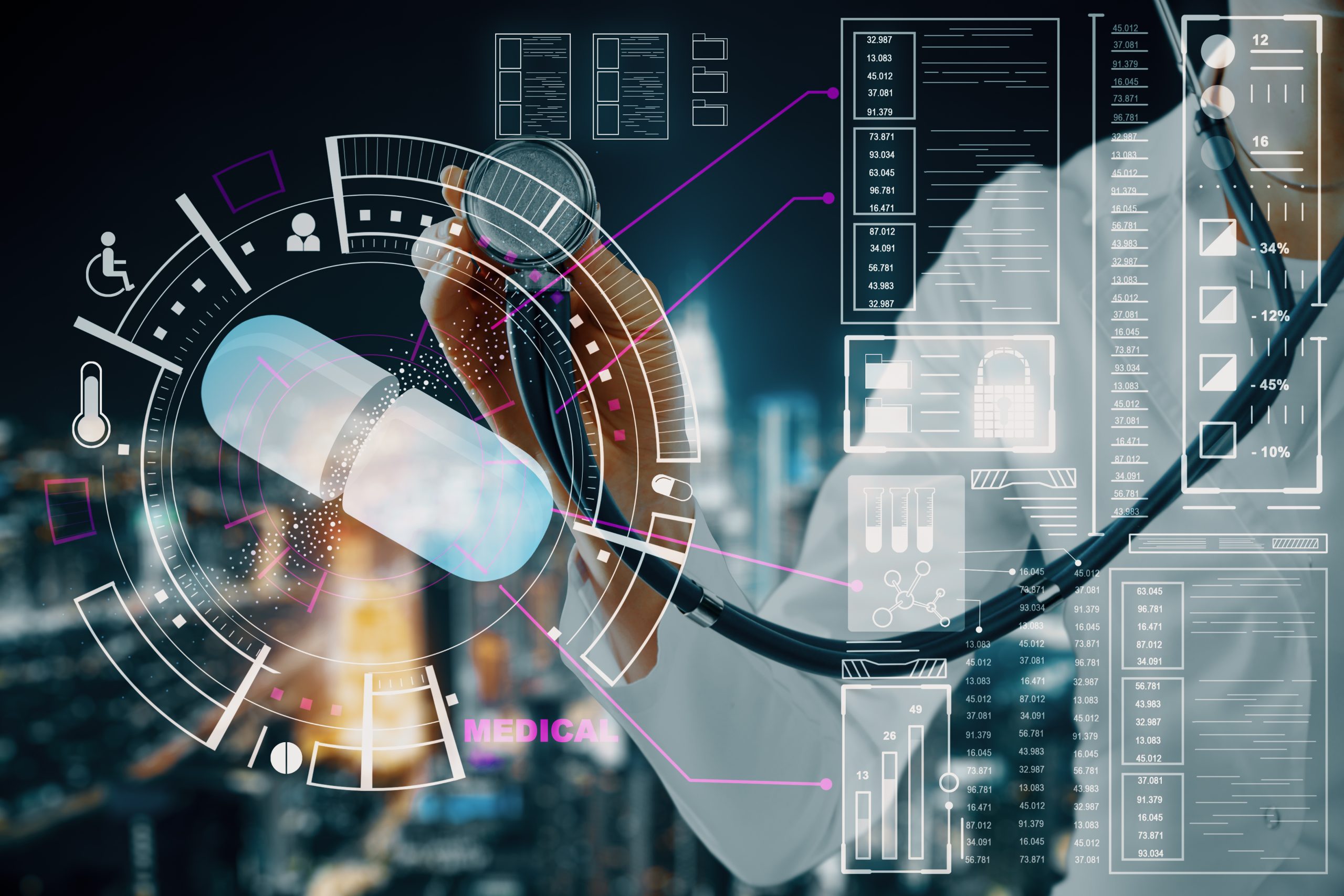






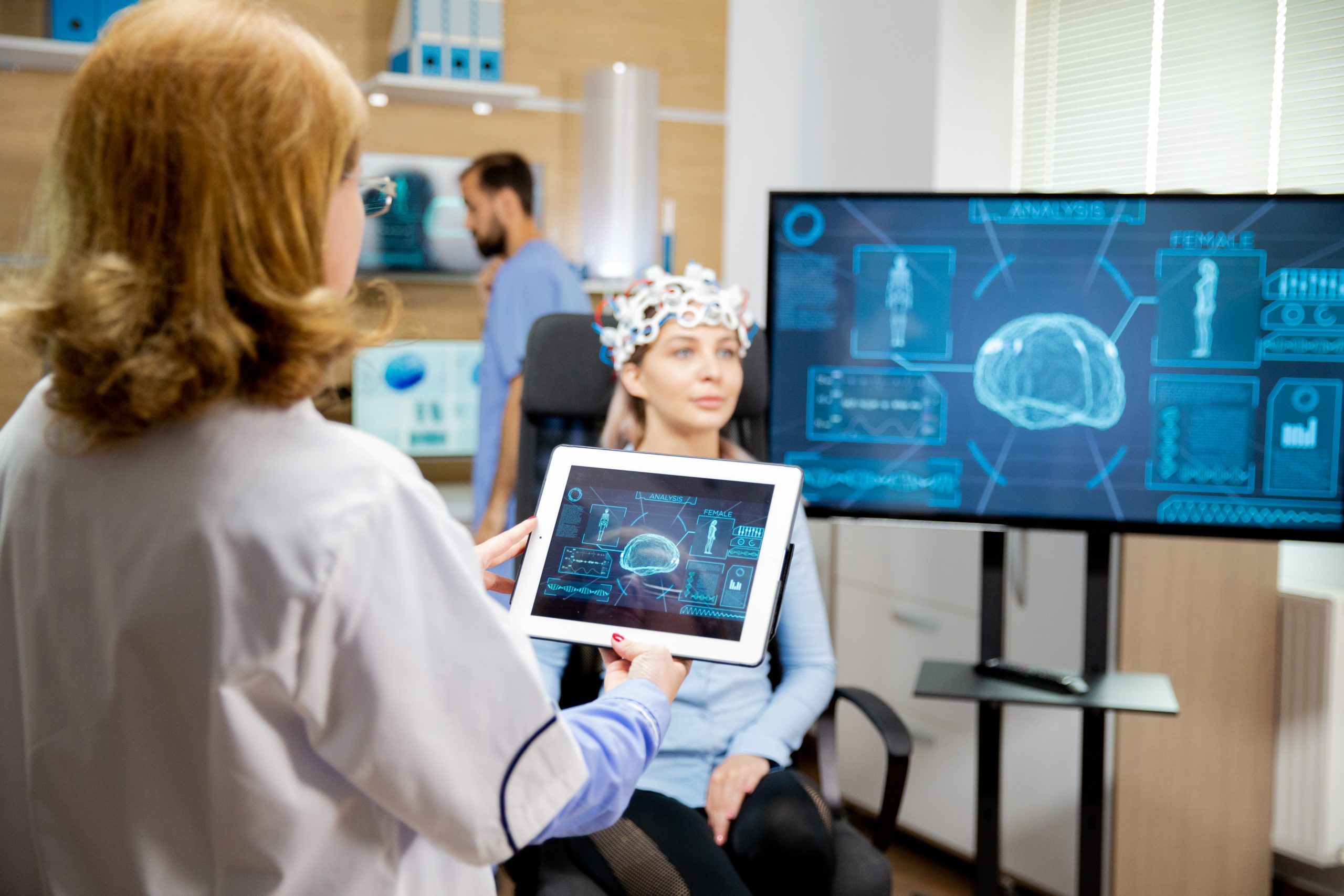
Hospitals in 2025 operate very differently than they did even a few years ago. Technology has become deeply integrated into every layer of hospital operations, from administrative workflows to clinical decision-making. As digital transformation accelerates across the healthcare sector, hospitals are leveraging automation, artificial intelligence, robotics, and advanced data analytics to deliver more efficient, patient-centered care. These innovations are not only improving the quality of services but also reducing operational bottlenecks and creating safer, more reliable healthcare environments.
Accelerating Efficiency Through Automation:
Automation has emerged as one of the most impactful tools for streamlining hospital operations in 2025. Routine administrative tasks such as patient registration, appointment scheduling, and billing are now handled by automated systems. These tools reduce human error, shorten wait times, and allow staff to focus on higher-value responsibilities.
Digital patient intake forms, automated insurance verification, and AI-driven coding systems have significantly reduced paperwork. Hospitals are also using robotic process automation (RPA) to manage repetitive workflows like claims processing, inventory checks, and data entry. This shift not only boosts productivity but also increases accuracy and consistency.
AI-Powered Decision Support:
Artificial intelligence has become a central component of clinical operations. AI tools assist physicians by analyzing patient data, identifying trends, and offering predictive insights. Diagnostic AI systems can now evaluate imaging scans within seconds, helping radiologists detect early signs of cancer, fractures, or infections with remarkable accuracy.
In addition, hospitals use predictive algorithms to forecast patient deterioration, enabling rapid interventions. These tools analyze vital signs, lab data, and patient histories to alert clinicians before complications arise. As a result, patient outcomes have improved, and the risk of emergency incidents has decreased.
Smarter Resource Management:
Resource management has long been a challenge for hospitals. In 2025, hospitals are using real-time data systems to track bed availability, patient flow, and equipment usage. This visibility allows administrators to optimize staffing levels, allocate resources efficiently, and reduce overcrowding.
AI-powered scheduling tools help match staff availability with patient needs, minimizing burnout and ensuring timely care. Hospitals also use digital dashboards to monitor supply levels in real time, preventing shortages of critical items such as medications and surgical instruments.
Robotics Enhancing Clinical and Nonclinical Tasks:
Robotics technology has expanded beyond surgery to support a wide range of hospital functions. Delivery robots transport medication, linens, lab samples, and meals across departments, freeing staff from time-consuming tasks. These robots operate safely alongside humans and help maintain strict hygiene standards.
In surgical settings, robotic systems provide enhanced precision, smaller incisions, and faster recovery times. Robotic-assisted rehabilitation devices are also helping patients regain mobility through personalized therapy sessions. The presence of robotics reduces workload pressure and enhances operational efficiency throughout the hospital.
Telehealth and Virtual Care Integration:
Telehealth became widely adopted in recent years, but in 2025 it has fully integrated into hospital operations. Virtual consultations allow physicians to monitor chronic conditions, follow up with patients after discharge, and assess minor illnesses without requiring in-person visits.
Hospitals have also implemented remote patient monitoring platforms that collect real-time data from wearable devices. This continuous monitoring reduces unnecessary admissions, supports early intervention, and keeps providers informed even when patients are at home.
Strengthening Cybersecurity Measures:
As digital adoption increases, cybersecurity has become a priority. Hospitals now invest heavily in advanced security systems to protect patient data and prevent cyberattacks. Tools such as biometric authentication, encrypted communication channels, and AI-driven threat detection systems are standard across healthcare facilities.
Staff receive routine cybersecurity training to recognize phishing attempts and safeguard sensitive information. By strengthening digital defenses, hospitals maintain trust and compliance while ensuring uninterrupted operations.
Enhancing Patient Experience Through Technology:
Technology is drastically improving the patient experience. Digital signage, self-service kiosks, hospital apps, and real-time GPS-style navigation help patients move through hospital spaces with ease. Bedside tablets allow patients to request services, access educational content, communicate with staff, and control their room settings.
Electronic health records (EHRs) make patient information accessible across departments, ensuring coordinated care. The ability to view test results, treatment plans, and discharge instructions online empowers patients to be more involved in their care.
Data-Driven Quality Improvement:
Hospitals now rely heavily on data analytics to monitor performance and identify opportunities for improvement. Real-time dashboards track metrics such as patient wait times, readmission rates, infection control performance, and staff productivity. Leaders use this data to make informed decisions, implement corrective measures, and refine workflows.
This continuous feedback loop has strengthened hospital operations and improved overall care quality.
The Future of Hospital Operations:
Technology continues to transform hospitals into smarter, more connected, and more efficient environments. In 2025, hospitals are defined by automation, predictive intelligence, digital integration, and patient-centered design. As innovation continues, the next decade promises even more advancements that will make healthcare safer, more personalized, and more accessible for all.