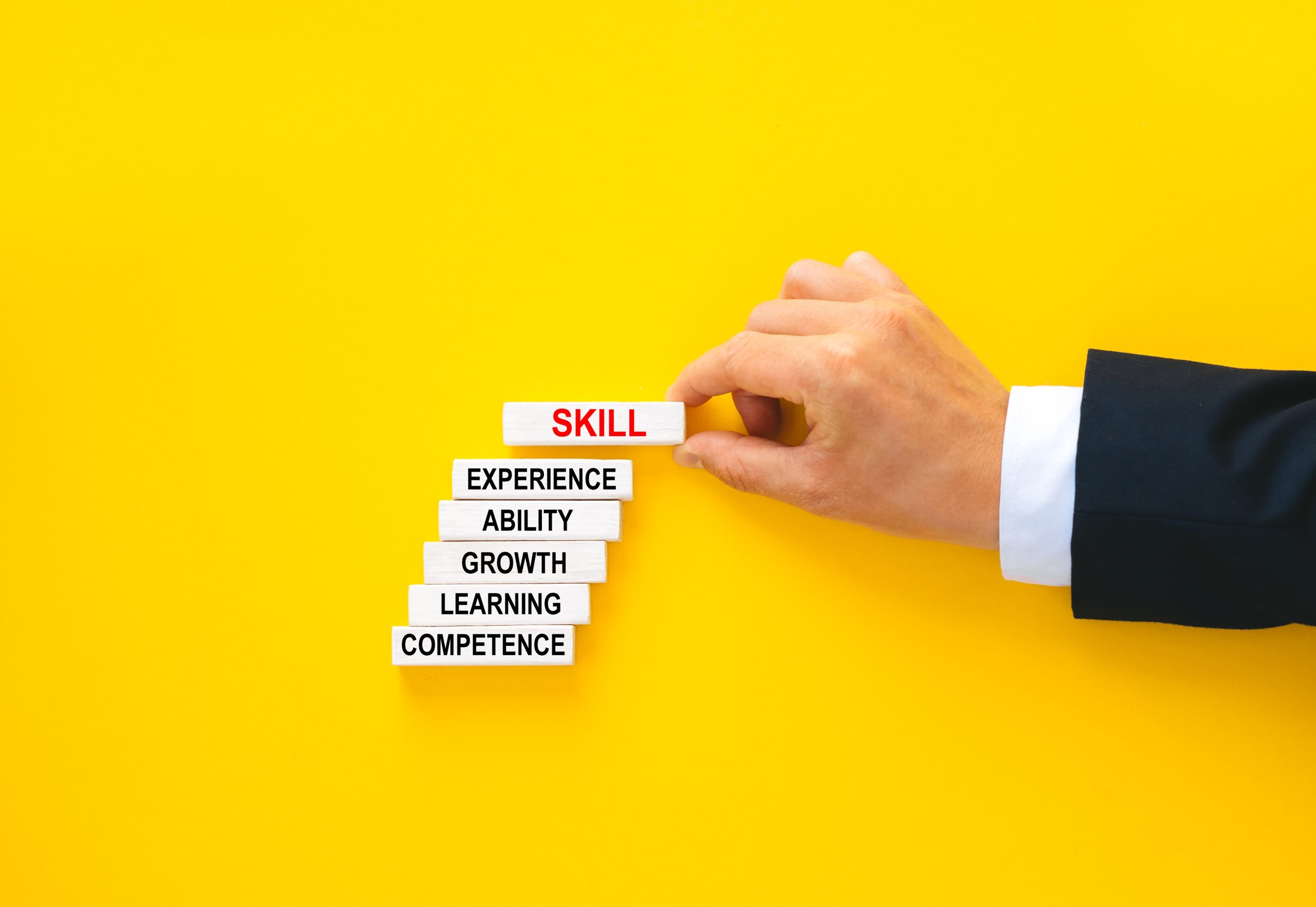






Learning faster is a skill that can enhance both personal and professional growth. Whether you’re trying to master a new language, acquire technical expertise, or simply improve your productivity, the ability to learn efficiently can save you time, boost confidence, and open doors to new opportunities. In today’s fast-paced world, effective learning strategies are essential. Here’s a guide to help you learn faster and improve your skill development.
1. Use Active Learning Techniques:
Active learning is one of the most effective ways to accelerate learning. Instead of passively reading or listening, engage with the material through activities like summarizing, questioning, and teaching others. The more actively you engage with content, the better you’ll retain the information.
For instance, when learning a new concept, try teaching it to someone else or applying it in a real-world scenario. This forces you to internalize the information, understand it deeply, and identify gaps in your knowledge. Active learning keeps your brain engaged and improves retention.
2. Break Information into Smaller Chunks:
One of the most effective strategies for learning faster is chunking—breaking down large amounts of information into smaller, more manageable pieces. Our brains struggle to absorb and retain large amounts of data at once, but when we break information into smaller sections, it becomes easier to process and remember.
For example, if you’re studying a new topic, divide it into subtopics and focus on learning one chunk at a time. Review and reinforce each chunk before moving on to the next. This method is particularly effective when studying complex subjects, as it helps your brain form clear associations between concepts.
3. Focus on One Task at a Time:
Multitasking might seem efficient, but it actually reduces learning speed and effectiveness. When you divide your attention between multiple tasks, your brain has to switch between them, which slows down cognitive processing and reduces overall performance.
To learn faster, focus on one task at a time. Whether you’re studying for an exam or learning a new skill, give it your full attention. This approach not only improves concentration but also helps you absorb information more effectively.
4. Leverage Spaced Repetition:
Spaced repetition is a technique that involves reviewing material at increasing intervals to reinforce memory retention. Research has shown that information is more likely to stick in long-term memory when you space out your learning sessions. Rather than cramming all at once, revisit the material periodically.
For example, you can use apps like Anki or Quizlet to create flashcards and practice spaced repetition for language learning or memorization. By reviewing material regularly over time, you reinforce your knowledge and improve recall.
5. Take Breaks to Improve Focus:
While it may seem counterintuitive, taking regular breaks can actually help you learn faster. Studies show that the brain needs time to process and consolidate information, so cramming for long periods without rest can lead to mental fatigue and decreased productivity.
Try techniques like the Pomodoro Technique, which involves working in focused bursts (e.g., 25 minutes) followed by short breaks (5 minutes). Taking breaks helps refresh your mind, improve focus, and prevent burnout, allowing you to learn more effectively.
6. Make Use of Visual and Audio Aids:
Incorporating different types of media into your learning can help reinforce concepts and improve retention. For example, when learning new information, use visual aids like diagrams, infographics, or videos. These can help you understand abstract concepts and make learning more engaging.
Additionally, audio aids such as podcasts, audiobooks, or recorded lectures can reinforce your learning and provide a different perspective. By combining visual, auditory, and kinesthetic learning styles, you can engage multiple parts of your brain, making it easier to grasp and retain new information.
7. Get Enough Sleep:
Sleep plays a crucial role in learning and memory consolidation. During sleep, the brain processes and stores new information, strengthening the connections you’ve made throughout the day. Getting sufficient, high-quality sleep is essential for improving learning speed and retention.
If you’re struggling to remember information or feel mentally fatigued, consider adjusting your sleep habits. Aim for 7-9 hours of sleep each night to ensure your brain has time to consolidate new knowledge effectively.
8. Stay Consistent with Learning:
One of the most important habits for learning faster is consistency. Make learning a part of your daily routine, even if it’s just for a short period. Consistent practice ensures that you’re constantly reinforcing your knowledge and building upon it.
Set small, achievable goals for each learning session and track your progress. Consistency doesn’t just speed up the learning process—it also helps you build confidence and develop long-term mastery over time.
9. Apply What You Learn:
One of the best ways to solidify new knowledge is to apply it in real-world situations. Whether you’re learning a new language, skill, or concept, try using it in practical scenarios. This hands-on approach helps reinforce your learning and boosts your confidence.
For example, if you’re learning to code, start building small projects to apply what you’ve learned. If you’re learning a new language, practice speaking with native speakers or use the language in your daily life.
Conclusion:
Learning faster and more effectively is a skill that can help you advance in your career, personal life, and hobbies. By incorporating active learning techniques, breaking down information into chunks, focusing on one task at a time, and using spaced repetition, you can accelerate your learning process. Consistent practice, adequate sleep, and applying new knowledge will further enhance your ability to learn quickly and continuously improve. With these strategies, you can master new skills and unlock your full potential in 2025 and beyond.