






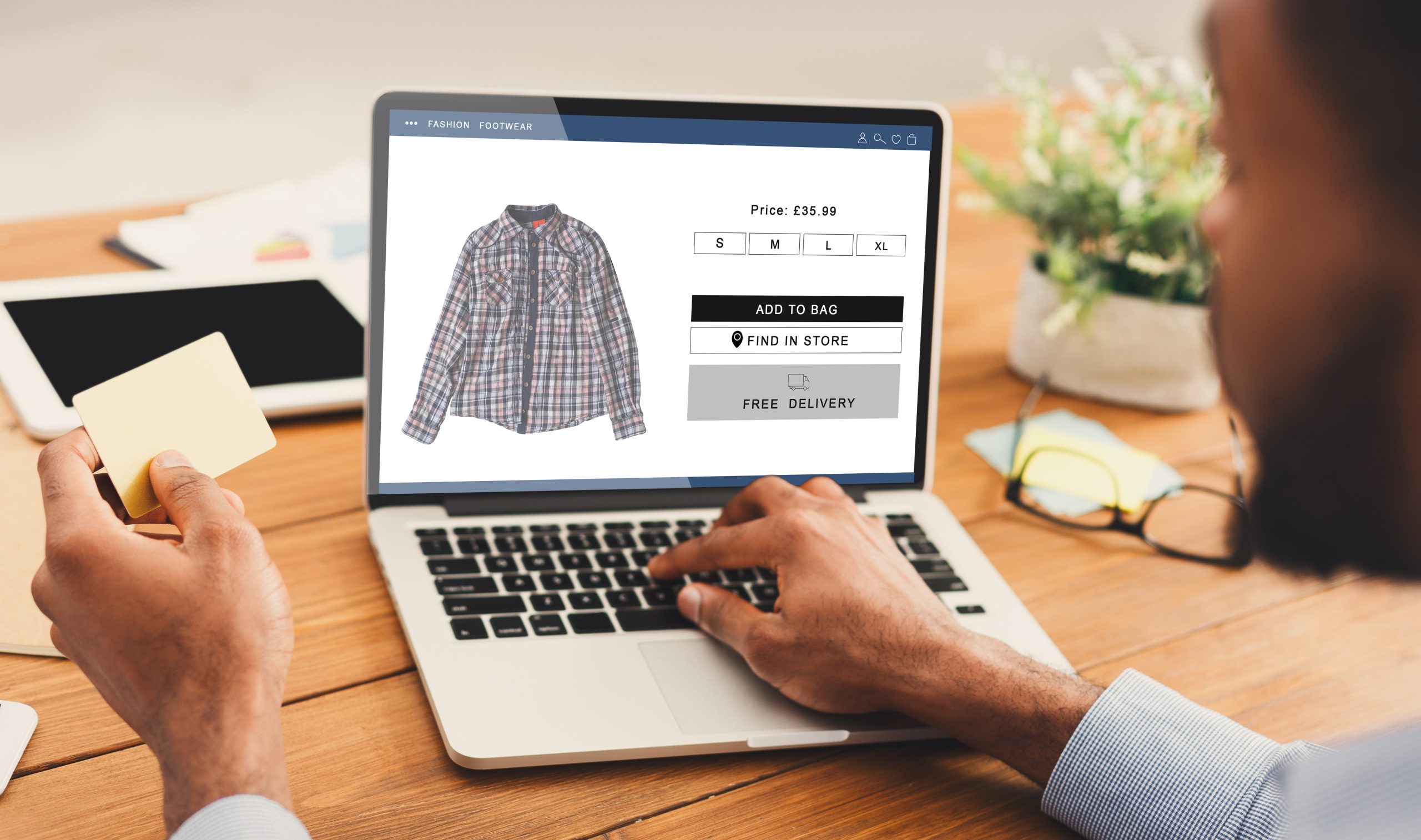
Driving traffic to your online store is only half the battle—the real goal is converting that traffic into paying customers. Conversion optimization focuses on improving user experience, building trust, and reducing friction so visitors are more likely to complete a purchase. Here is a complete guide to optimizing your online store for maximum conversions.
1. Start With a Fast, Mobile-Optimized Website:
A slow or non-responsive website is one of the biggest conversion killers. Most shoppers browse on mobile, so your store must load quickly and behave smoothly across all devices. Improve performance by:
• Compressing images.
• Using a CDN.
• Implementing lazy loading.
• Minimizing scripts and plugins.
A fast store improves search visibility and increases on-page engagement.
2. Simplify Website Navigation:
Visitors should be able to find products effortlessly. Make navigation intuitive by:
• Using clear category labels.
• Adding search filters.
• Featuring a prominent search bar.
• Showcasing bestsellers and new arrivals.
The easier it is to browse, the higher your conversion rate.
3. Optimize Product Pages for Clarity and Persuasion
Your product pages must give shoppers everything they need to make a confident decision. Essential elements include:
• High-quality images and videos.
• Detailed product descriptions.
• Size guides and FAQs.
• Clear pricing and shipping details.
• Customer reviews and social proof.
Strong product pages reduce uncertainty and increase purchase intent.
4. Strengthen Your Calls-to-Action (CTAs):
Your CTA buttons guide users toward checkout. Make them:
• Highly visible.
• Short and action-driven.
• Contrast with the page design.
• Consistent across the site.
Examples: “Add to Cart,” “Buy Now,” “Get Yours Today.”
Clear CTAs eliminate confusion and motivate action.
5. Reduce Cart Abandonment With Trust Builders:
Over 70% of carts are abandoned. Build trust and reduce hesitation by displaying:
• Secure payment icons.
• Money-back guarantees.
• Easy return policies.
• Fast shipping information.
Transparency alleviates customer concerns at the moment of purchase.
6. Streamline the Checkout Process:
Fewer steps lead to higher conversions. Improve checkout by:
• Allowing guest checkout.
• Reducing form fields.
• Offering multiple payment methods.
• Providing auto-fill options.
• Displaying progress indicators.
A frictionless checkout prevents drop-offs and boosts completed orders.
7. Use Pop-ups and On-Site Messaging Strategically:
Pop-ups should help—not annoy—your visitors. Effective uses include:
• Exit-intent discounts.
• Newsletter subscription offers.
• First-order coupons.
• Low-stock alerts.
When used wisely, pop-ups capture leads and recover abandoning shoppers.
8. Personalize the Shopping Experience:
Personalization increases relevance and improves conversions. Implement:
• Personalized product recommendations.
• Browsing-based offers.
• Recently viewed items.
• Targeted discounts.
Customers appreciate tailored experiences that make shopping easier.
9. Offer Fast and Transparent Shipping Options:
Shipping details heavily influence conversions. Display:
• Delivery times.
• Free shipping thresholds.
• Local delivery options.
• Real-time tracking.
Clear shipping information builds trust and prevents last-minute drop-offs.
10. Continuously Test and Optimize:
Conversion optimization is an ongoing process. Use tools like Google Analytics, Hotjar, and A/B testing platforms to evaluate:
• Page layouts.
• CTA colors.
• Image formats.
• Copy variations.
Small improvements compound into major conversion gains.
Final Thoughts:
By focusing on speed, clarity, trust, personalization, and streamlined checkout design, your online store can significantly increase conversions and revenue. Optimization is a continuous journey—but every improvement brings you closer to a more profitable e-commerce business.