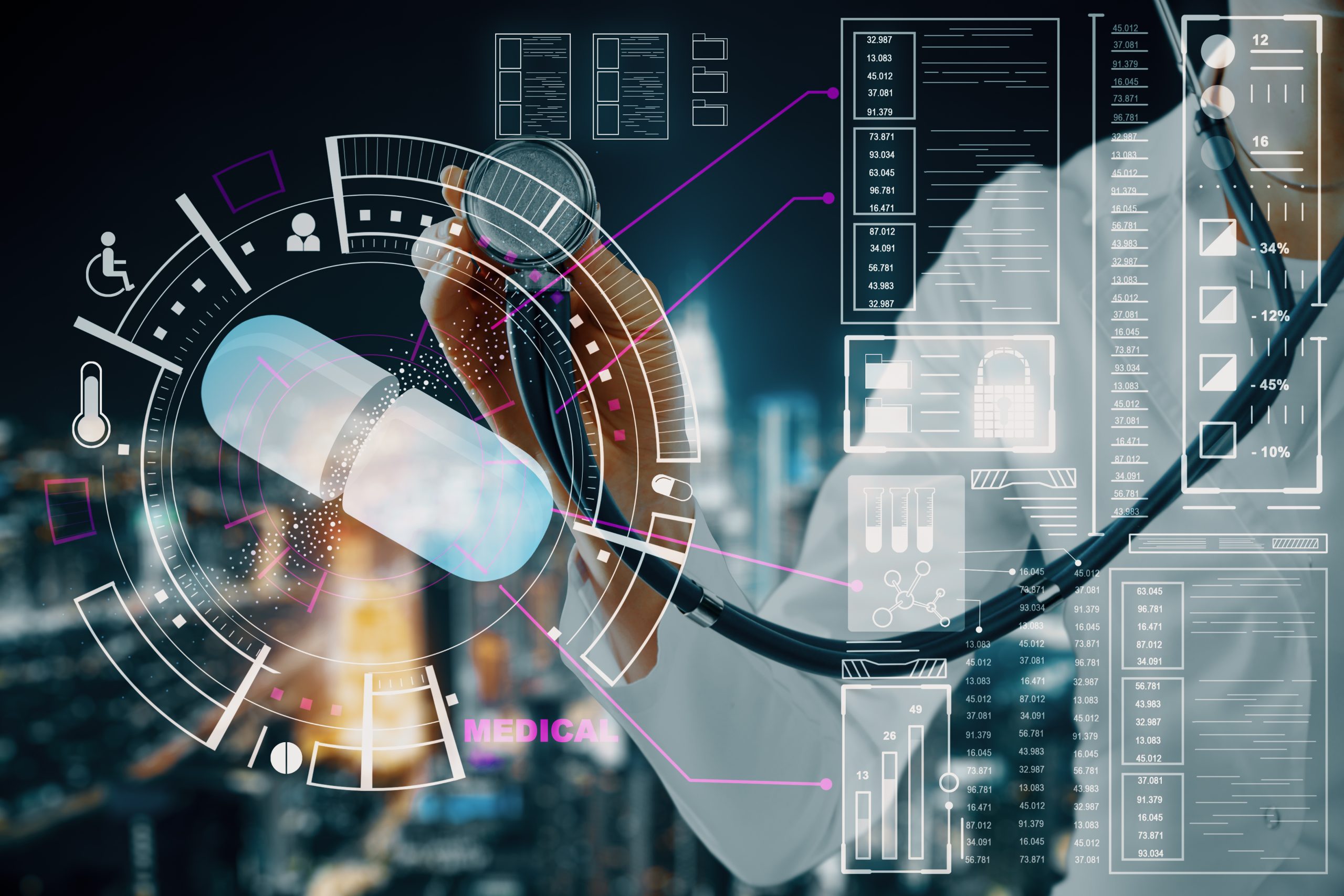






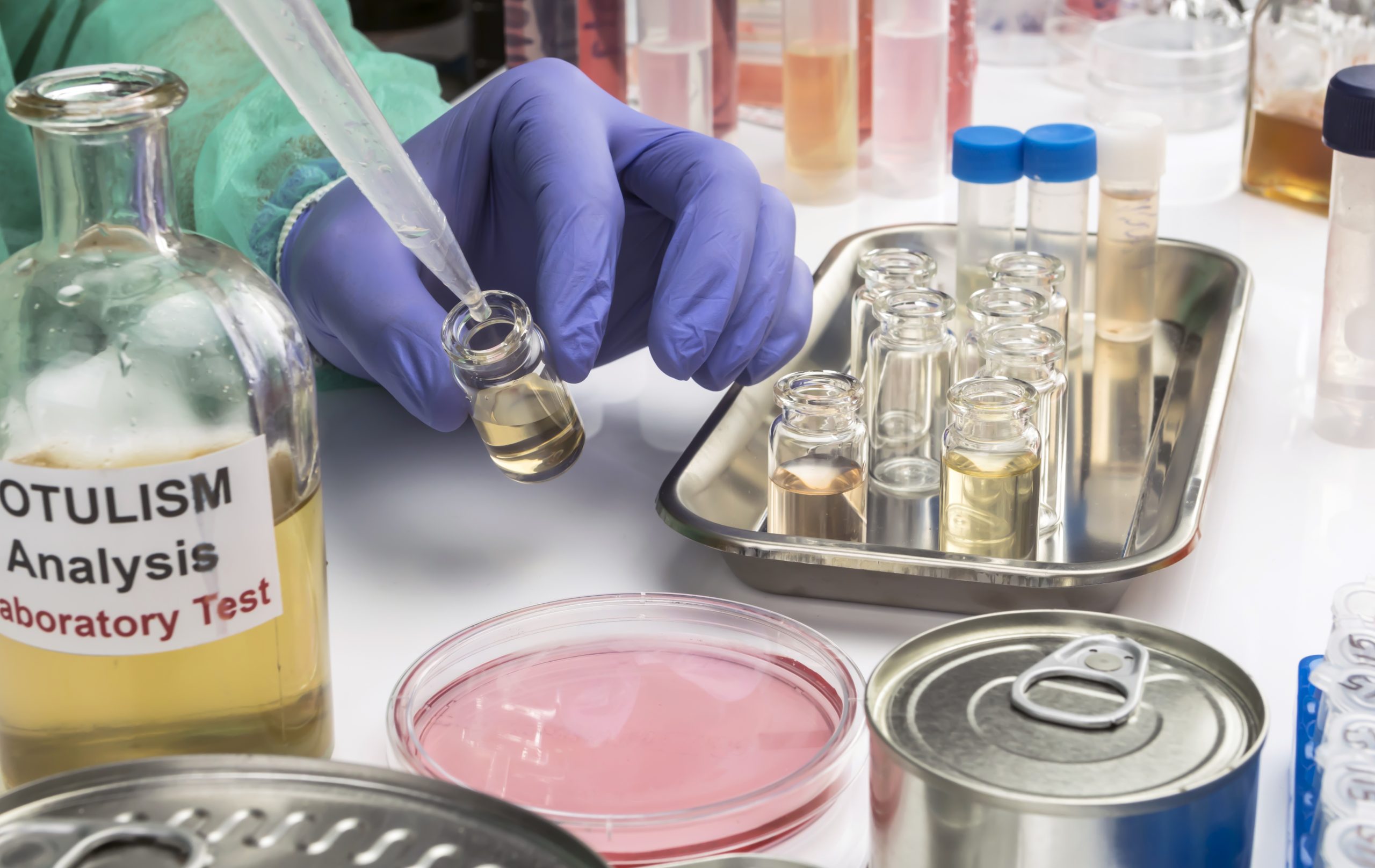
Drug development in 2025 looks vastly different from the slow, complex, and costly processes of previous decades. Advances in biotechnology, artificial intelligence, genomics, and automation have ushered in a new era of pharmaceutical research—one that is faster, more precise, and increasingly personalized. The challenges of global health emergencies also pushed the industry to innovate rapidly, creating practices that are now standard. Understanding how drug development is evolving provides insight into the future of medicine and the breakthroughs that will shape healthcare in the coming years.
1. AI and Machine Learning Speed Up Discovery:
Artificial intelligence has fundamentally transformed the drug development landscape. AI algorithms analyze massive biological datasets, identify promising drug candidates, and predict how compounds will behave in the human body. What used to take years—screening molecules, analyzing interactions, and modeling outcomes—can now be completed in weeks or even days.
AI tools help researchers:
• Predict toxicity and side effects early.
• Model protein interactions.
• Identify new therapeutic targets.
• Prioritize the most promising compounds.
This acceleration reduces costs and improves the likelihood of success in clinical trials.
2. Genomics Enables Personalized Drug Design:
Advances in genomic sequencing allow researchers to understand diseases at the molecular level. In 2025, pharmaceuticals are increasingly designed to target specific genetic mutations rather than treating large populations with a one-size-fits-all approach. Genomic insights help:
• Identify patient subgroups that respond best to treatments.
• Reduce trial-and-error prescribing.
• Develop targeted therapies for cancer, rare diseases, and chronic conditions.
Precision medicine is reshaping the pharmaceutical pipeline.
3. mRNA Technology Continues to Expand:
The success of mRNA vaccines accelerated the growth of RNA-based therapies. Today, mRNA technology is being explored for:
• Cancer immunotherapies.
• Autoimmune disorder treatments.
• Personalized vaccines.
• Protein replacement therapies.
mRNA platforms allow rapid customization and production, making them ideal for emerging threats.
4. Automation and Robotics Improve Research Efficiency:
Modern laboratories rely on robotics to automate repetitive tasks such as pipetting, sample sorting, and data collection. Automation reduces human error, speeds up workflows, and ensures consistent results. Robotics combined with AI creates highly efficient research ecosystems.
5. Real-World Evidence Enhances Clinical Understanding:
In 2025, researchers increasingly use real-world evidence (RWE)—data from electronic health records, wearables, telemedicine, and patient apps—to understand how drugs perform outside clinical trials. RWE provides insights into:
• Long-term safety.
• Diverse population responses.
• Medication adherence.
• Quality-of-life outcomes.
RWE helps regulators and pharmaceutical companies make more informed decisions.
6. Decentralized and Virtual Clinical Trials:
Virtual clinical trials, powered by telemedicine and remote monitoring, are now mainstream. Decentralized trials expand access, reduce participant burden, and accelerate data collection. They enable broader demographic representation and faster recruitment, improving both efficiency and equity.
7. Biologics and Cell Therapies Become More Common:
Biologics, gene therapies, and cell-based treatments are growing rapidly. CAR-T therapies, stem cell treatments, and regenerative medicines are transforming how chronic and previously untreatable conditions are approached. These innovations shift focus from symptom management to long-term solutions—even potential cures.
8. Regulatory Innovation Encourages Faster Approvals:
Regulators worldwide now support accelerated approval pathways, especially for life-threatening diseases. Agencies work closely with researchers to evaluate data more efficiently while maintaining safety standards.
Final Thoughts:
Drug development in 2025 is defined by speed, precision, and innovation. AI, genomics, mRNA platforms, robotics, and decentralized trials are creating a more efficient and patient-centered landscape. These advancements promise a future where life-saving medicines reach patients faster and more effectively than ever before.