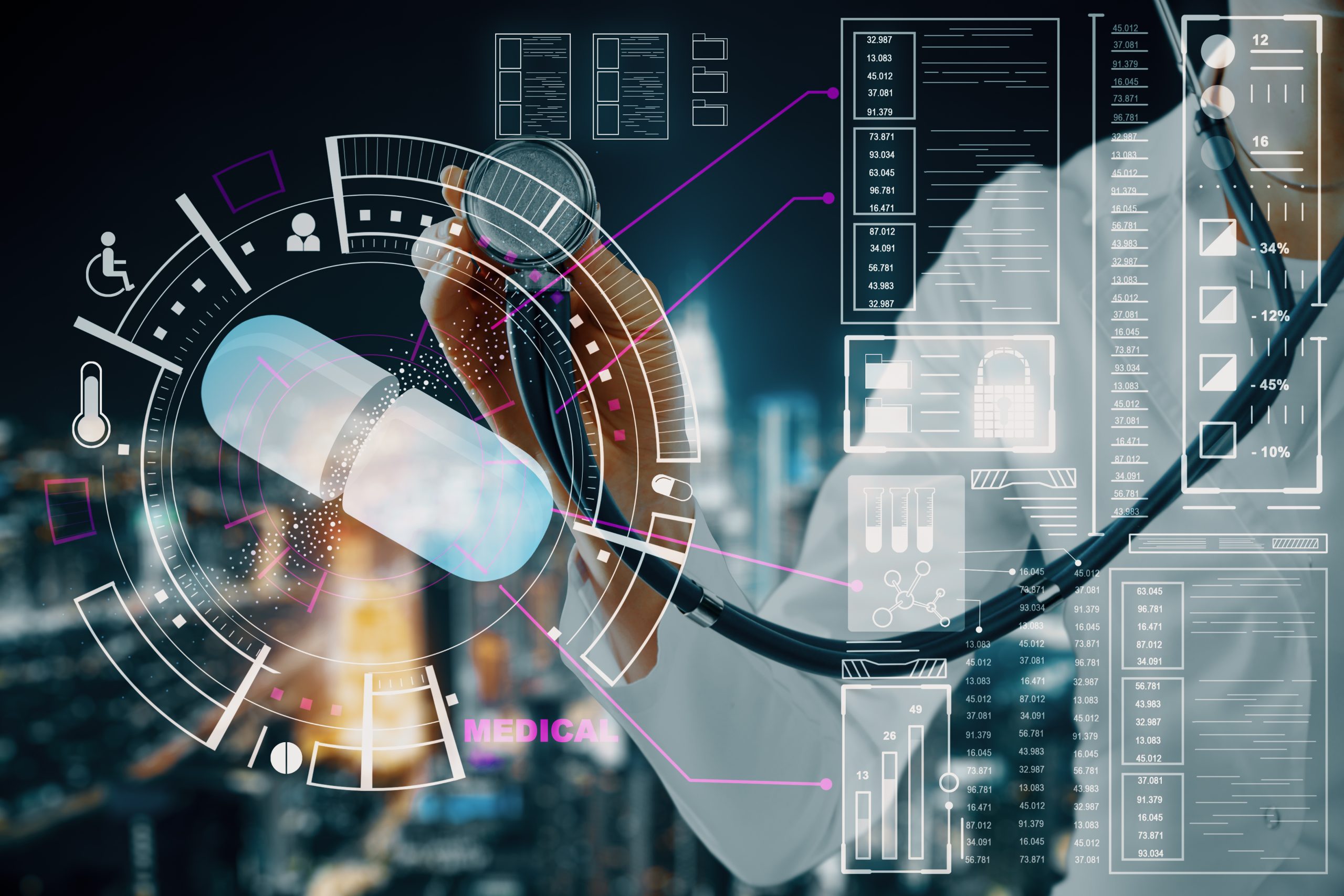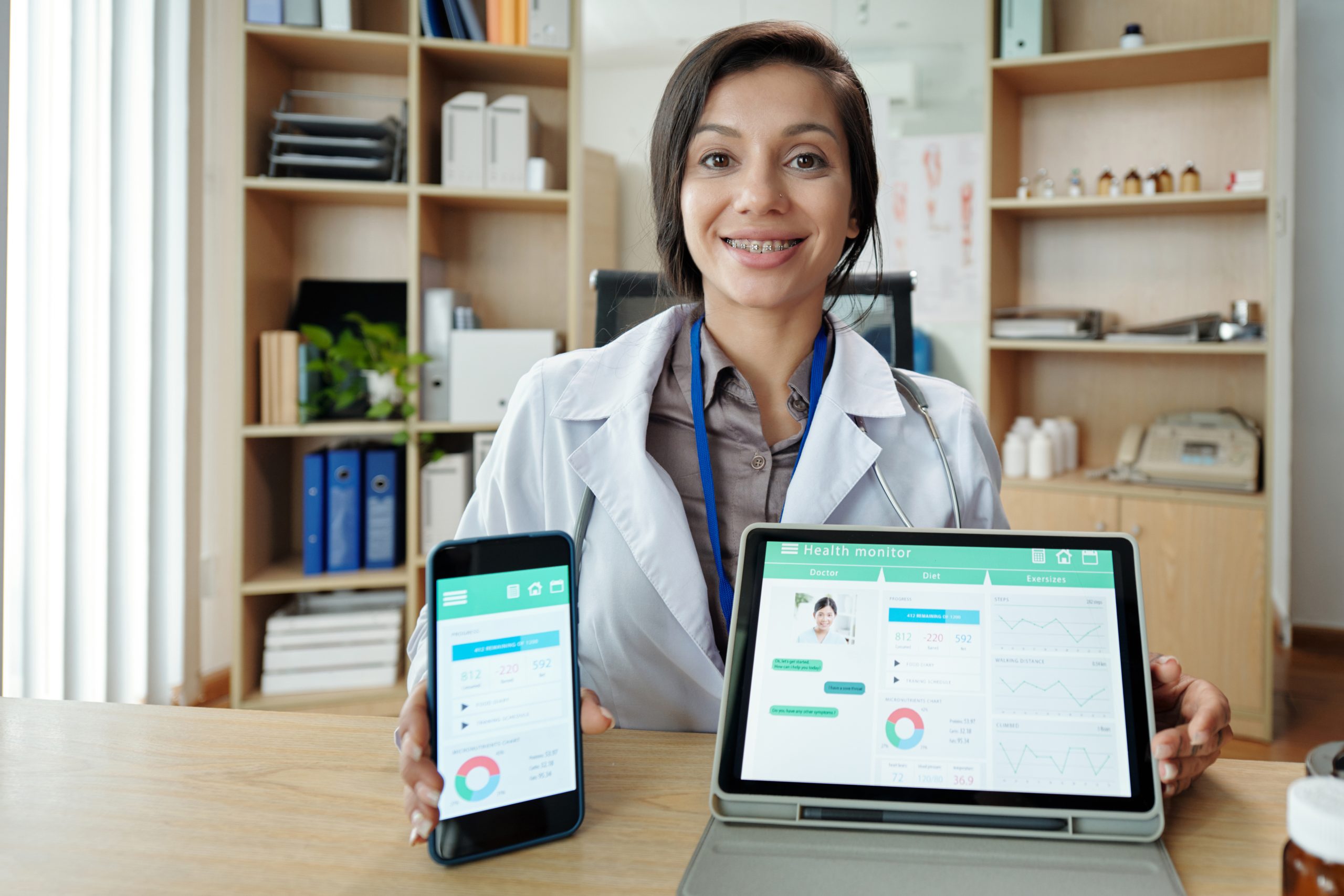





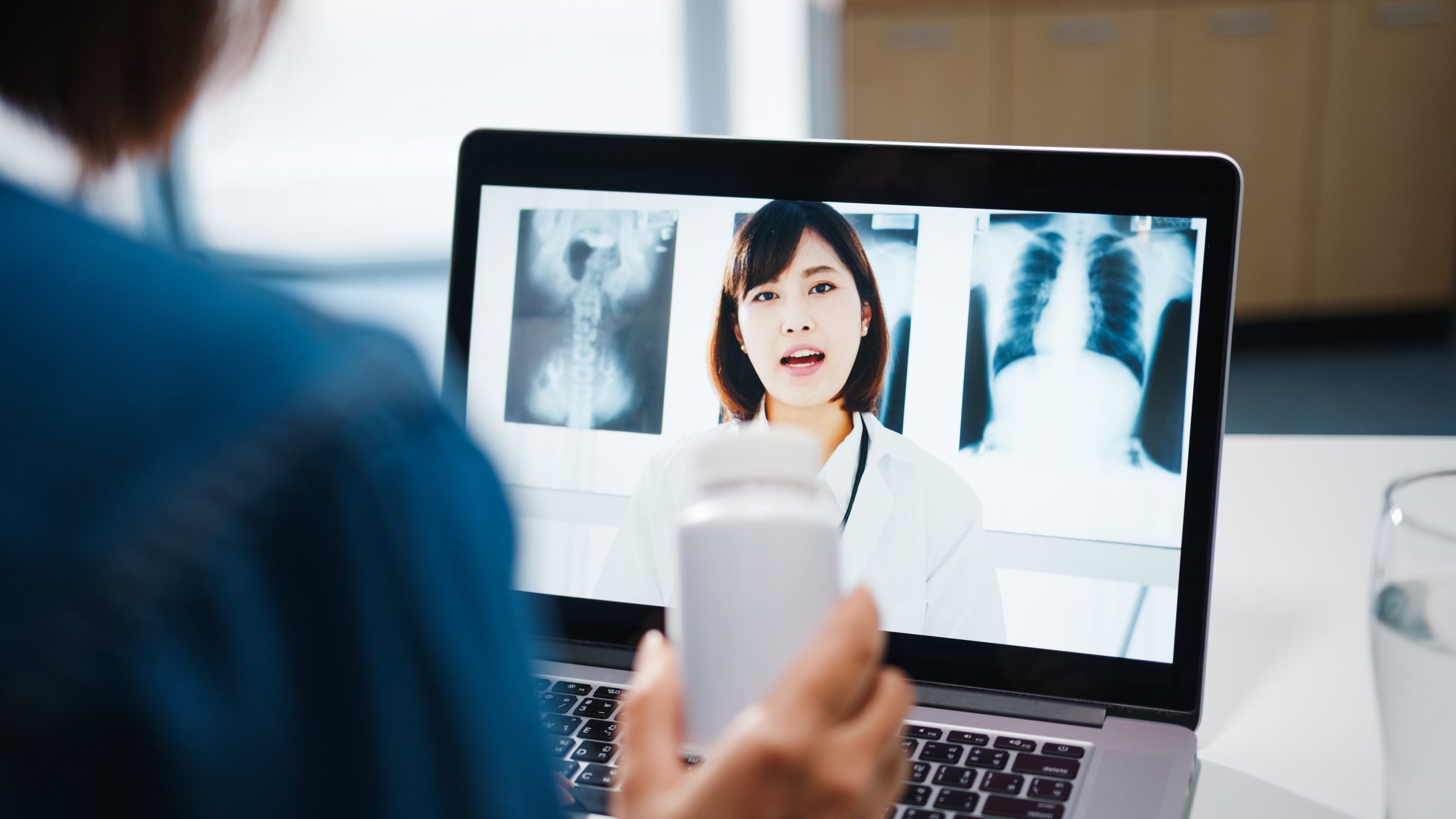
Telemedicine has become a permanent fixture in the modern healthcare ecosystem. Once used sparingly, it surged in adoption due to global necessity—and its long-term value quickly became clear. Now, remote healthcare is revolutionizing how patients receive medical attention, how clinicians deliver care, and how systems manage patient data and resources. Telemedicine is here to stay because it solves critical challenges while opening new opportunities for efficiency and accessibility.
1. Increased Access for Underserved Populations:
Remote healthcare addresses one of the biggest challenges in medicine: access. Patients in rural, remote, and underserved areas often lack transportation or proximity to specialists. Telemedicine bridges this gap by offering:
• Virtual consultations.
• Remote diagnostics.
• Specialist access regardless of geography.
This reduces disparities and ensures more equitable healthcare delivery.
2. Convenience That Enhances Patient Adoption:
Patients appreciate the convenience of receiving care from home. Telemedicine eliminates travel, waiting rooms, and schedule disruptions. This convenience leads to higher appointment attendance, better follow-up adherence, and more proactive patient behavior.
3. Lower Healthcare Costs for Patients and Providers:
Telemedicine reduces unnecessary emergency room visits, shortens hospital stays through earlier interventions, and lowers transportation costs. Providers benefit by reducing overhead and improving scheduling efficiency. These cost savings contribute to long-term sustainability.
4. Integration With Wearables and Remote Monitoring:
Wearable devices and remote sensors allow clinicians to track patient health continuously. Providers can detect abnormalities early and intervene before small issues escalate. Remote monitoring benefits chronic disease patients, postoperative recovery, and elderly care.
5. Improved Care for Chronic Disease Management:
Chronic conditions require regular monitoring, medication adjustments, and lifestyle guidance. Telemedicine offers:
• Frequent check-ins.
• Data-driven insights.
• Personalized care plans.
This approach reduces complications, improves outcomes, and lowers healthcare costs.
6. Mental Health Services Expanding Through Teletherapy:
Teletherapy has become one of the strongest uses of telemedicine. It allows patients to receive counseling discreetly, eliminating geographic or social barriers. Remote mental health services improve access for students, professionals, parents, and individuals lacking local resources.
7. Hybrid Care Models Becoming Standard:
Healthcare systems are adopting hybrid models where virtual and in-person visits complement each other. This ensures continuity of care while optimizing resources. Patients may use telemedicine for routine follow-ups and in-person visits for diagnostics or procedures.
8. Enhanced Provider-Patient Communication:
Secure messaging platforms and digital portals allow patients to ask questions, receive updates, and access records anytime. Continuous communication improves satisfaction and builds stronger care relationships.
9. Support for Aging Populations:
Telemedicine is becoming invaluable for elderly patients who may struggle with mobility or transportation. Remote monitoring helps families and caregivers oversee vital signs, medication adherence, and general wellbeing without constant physical visits.
10. Adoption by Insurance Providers and Governments:
Policies and insurance coverage have expanded to support telemedicine, making it more accessible and widely used. This institutional backing confirms telemedicine’s long-term role in healthcare.
Final Thoughts:
Remote healthcare has proven its value in improving accessibility, lowering costs, enhancing convenience, and strengthening patient outcomes. With technology advancing rapidly and acceptance growing among patients and providers, telemedicine is not just a trend—it is a permanent cornerstone of modern healthcare.