






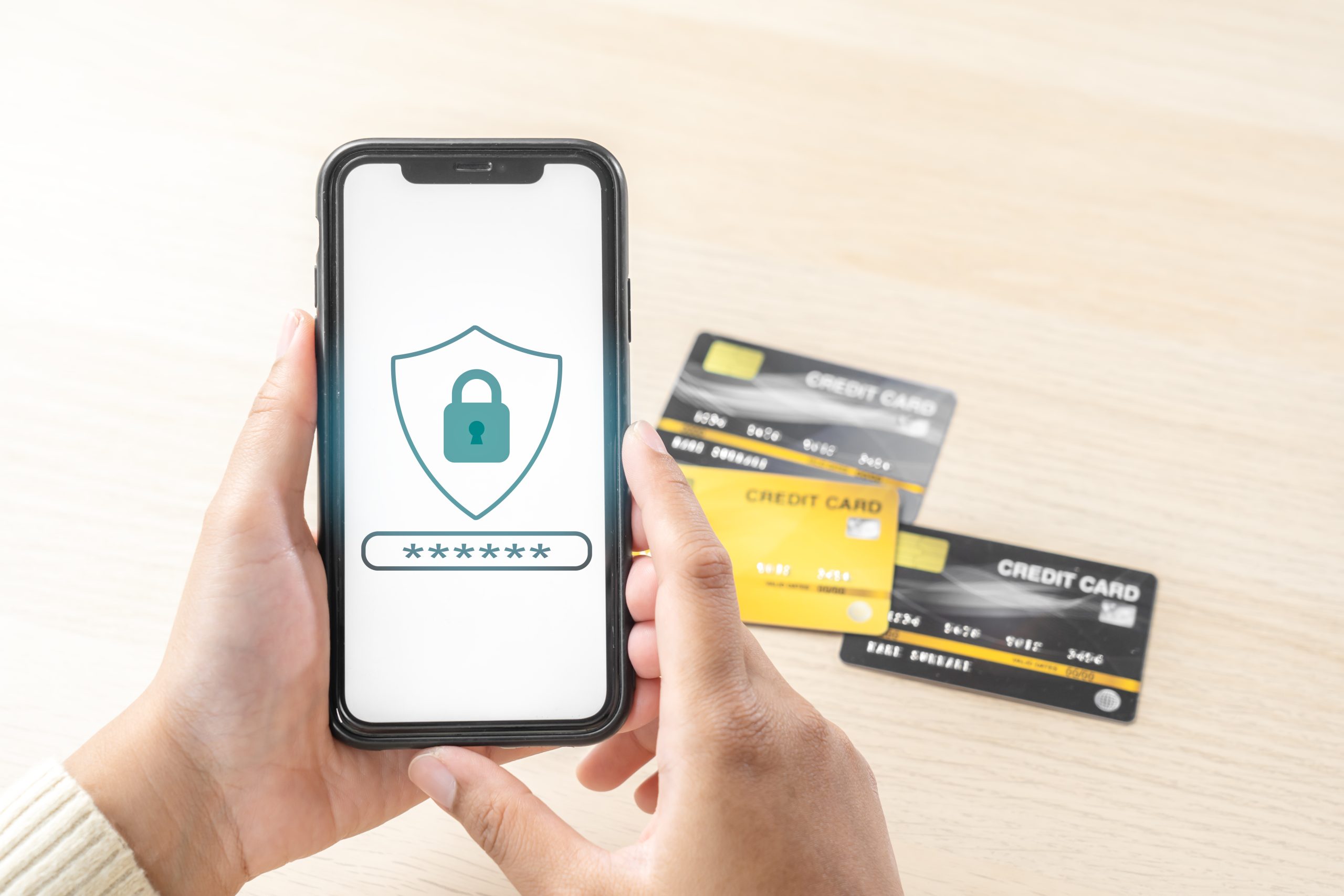
As the digital landscape continues to evolve, so do the risks associated with payment security. In 2025, businesses face an increasing number of cyber threats that target sensitive customer data, making it more important than ever to implement strong payment security measures. Understanding how to protect payment data is not just about securing transactions; it’s about maintaining trust and ensuring compliance with industry regulations. Here’s a comprehensive guide on how businesses can protect customer data in 2025.
1. Understanding the Importance of Payment Security:
Payment security is critical for businesses, especially as consumer expectations and regulatory requirements continue to tighten. Every time a customer makes a transaction—whether it’s through a credit card, mobile wallet, or cryptocurrency—there is potential exposure to fraud or data breaches. Payment security encompasses the practices, tools, and technologies used to ensure that customer data is kept safe during transactions.
In 2025, payment security is no longer just a matter of protecting credit card numbers; businesses must consider safeguarding a broader range of sensitive data, including personal details, payment history, and authentication credentials. A data breach not only harms customers but can also have a significant financial and reputational impact on a business.
2. Implement Strong Encryption and Tokenization:
One of the most effective ways to protect customer payment information is through encryption and tokenization. Encryption ensures that any sensitive information, such as credit card numbers or bank details, is unreadable to unauthorized parties. This protects the data even if it is intercepted during transmission.
Tokenization, on the other hand, replaces sensitive payment information with a unique identifier, or token. This means that, even if hackers gain access to the tokenized data, it is useless without the original payment details. By utilizing encryption and tokenization, businesses can reduce the risk of data theft and fraud, providing an extra layer of security for customer transactions.
3. Adopt Multi-Factor Authentication (MFA):
In 2025, multi-factor authentication (MFA) is a crucial security measure for protecting both customer accounts and business systems. MFA requires users to provide two or more forms of identification before they can access sensitive data or complete a transaction. This typically involves something the user knows (like a password), something the user has (like a phone or authentication device), or something the user is (like biometrics).
For businesses, implementing MFA can help prevent unauthorized access to customer payment data and reduce the likelihood of fraud. It also adds a significant barrier to cybercriminals attempting to access payment systems through stolen credentials.
4. Stay Compliant with Industry Standards and Regulations:
In 2025, businesses must stay compliant with industry standards and regulations related to payment security, such as the Payment Card Industry Data Security Standard (PCI DSS) and the General Data Protection Regulation (GDPR). Compliance with these standards helps ensure that businesses implement the necessary security measures to protect customer data and avoid costly fines.
PCI DSS, for example, provides a set of guidelines for securing credit card information, while GDPR focuses on protecting personal data and privacy. Businesses should stay up-to-date on any regulatory changes and ensure they meet all compliance requirements to protect customer data and avoid legal repercussions.
5. Secure Mobile Payments and Digital Wallets:
With the growing popularity of mobile payments and digital wallets, businesses must ensure that these payment methods are secure. Mobile payment systems like Apple Pay, Google Pay, and Samsung Pay are convenient for customers, but they also come with their own set of security challenges.
Businesses must ensure that their mobile payment solutions are compliant with industry standards and that they use secure connections for processing transactions. Implementing features like biometric authentication, such as fingerprint or facial recognition, can also help protect customer data and prevent unauthorized access.
6. Regularly Update and Patch Systems:
Keeping payment systems secure requires regular updates and patches to address vulnerabilities. Cybercriminals often exploit known vulnerabilities in outdated software to gain access to sensitive data. By maintaining up-to-date security protocols, businesses can minimize the risk of data breaches and cyberattacks.
Implementing automated software updates and establishing a schedule for routine security checks can help businesses stay ahead of potential threats. Regularly reviewing and testing payment systems for weaknesses ensures that they remain secure and functional.
7. Train Employees on Payment Security:
Human error remains one of the leading causes of security breaches. In 2025, businesses should prioritize employee training on payment security best practices. Employees should be educated about phishing attacks, secure payment handling procedures, and how to identify suspicious activity.
By fostering a culture of security awareness, businesses can reduce the likelihood of accidental data leaks and enhance overall protection for customer information. Employees should also be trained on how to handle customer data securely and how to respond if a data breach occurs.
8. Monitor and Analyze Transactions for Fraudulent Activity:
Implementing real-time fraud detection tools can help businesses identify suspicious transactions as they occur. Many payment processors offer fraud prevention tools that use machine learning and AI to detect patterns of fraudulent activity. By analyzing transactions in real time, businesses can flag potential issues before they escalate.
Automating fraud detection reduces the risk of human error and helps businesses respond quickly to suspicious activity. Regularly reviewing and updating fraud prevention measures ensures that they remain effective in the face of evolving threats.
Conclusion:
Payment security is a critical concern for businesses in 2025, and protecting customer data should be a top priority. By implementing strong encryption, tokenization, and multi-factor authentication, staying compliant with regulations, securing mobile payments, and training employees, businesses can safeguard sensitive payment information. Regular monitoring, system updates, and the use of advanced fraud detection tools will further enhance security, ensuring that customers feel confident when making transactions with your business.